Welcome to My Blog!
Before we dive into the content, I’d love for you to join me on my social media platforms where I share more insights, engage with the community, and post updates. Here’s how you can connect with me:
Facebook:https://www.facebook.com/profile.php?id=61565337355573
Now, let’s get started on our journey together. I hope you find the content here insightful, engaging, and valuable.
Table of Contents
Introduction

When it comes to modern construction, the choice between building with steel structure and concrete is a crucial decision that affects cost, durability, sustainability, and efficiency. Both materials have distinct advantages and are widely used in commercial, residential, and industrial projects.
This guide explores the key differences between building with steel structure and concrete, examining factors such as structural performance, construction speed, environmental impact, and long-term maintenance. By understanding these aspects, developers, engineers, and business owners can make informed decisions about which material best suits their project needs.
Understanding Steel Structure and Concrete Construction
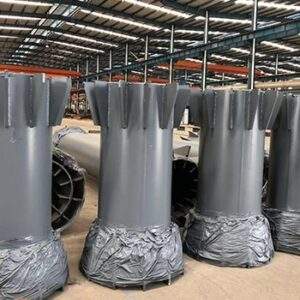


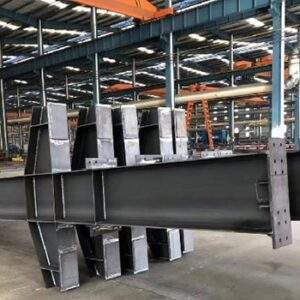
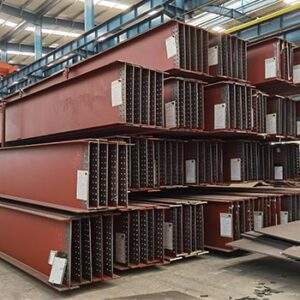
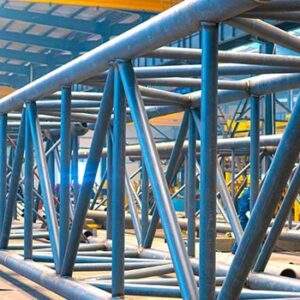
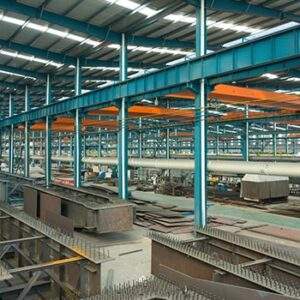
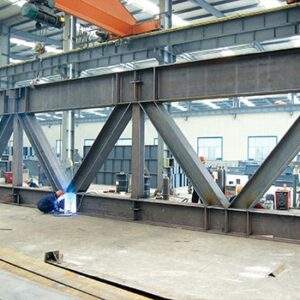
Before comparing their differences, it is essential to understand what each material offers in terms of construction and performance.
What is Building with Steel Structure?
Building with steel structure involves using steel as the primary load-bearing material. It consists of steel beams, columns, and frames that support the entire structure. Steel buildings are known for their flexibility, high strength-to-weight ratio, and resistance to external forces such as earthquakes and wind loads.
Common applications:
- High-rise buildings
- Industrial warehouses and factories
- Bridges and large-span structures
- Sports arenas and exhibition halls
What is Concrete Construction?
Concrete construction relies on reinforced concrete (a combination of concrete and steel reinforcement bars) to form a solid structural framework. It is widely used due to its high compressive strength and fire resistance.
Common applications:
- Residential buildings
- Bridges and highways
- Dams and water infrastructure
- Commercial structures
Key Comparisons Between Building with Steel Structure and Concrete
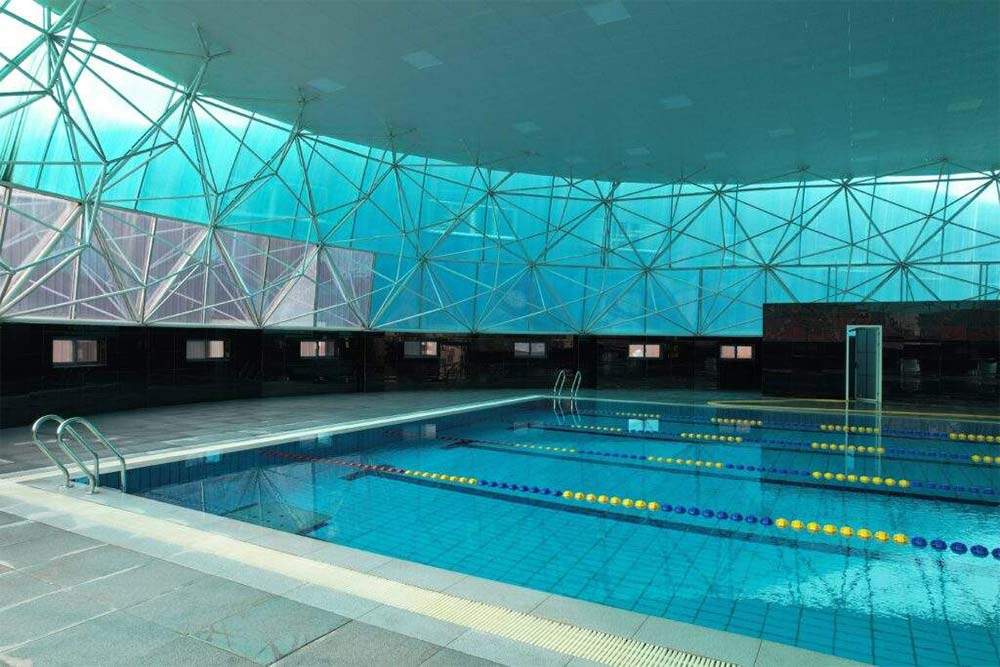

The choice between steel and concrete depends on various factors, including strength, cost, durability, and environmental impact.
Strength and Load-Bearing Capacity
- Steel has a higher strength-to-weight ratio, allowing for lighter and taller structures.
- Concrete provides excellent compressive strength, making it ideal for load-bearing walls and heavy structures.
- Steel structures offer better resistance against seismic forces due to their flexibility.
Construction Speed
- Steel structures are prefabricated, allowing for faster assembly on-site.
- Concrete requires curing time, which can delay construction.
- Modular steel components reduce labor-intensive work and improve efficiency.
Durability and Maintenance
- Steel is resistant to termites and pests but requires coatings to prevent rust.
- Concrete is highly durable and requires minimal maintenance but may develop cracks over time.
- Regular inspections and protective treatments are essential for both materials to ensure long-term performance.
Cost Considerations
- Steel structures generally have a higher initial material cost but lower labor costs due to faster installation.
- Concrete is often more affordable in raw material costs but has higher labor and maintenance expenses.
- Long-term cost efficiency depends on project requirements and expected lifespan.
Environmental Impact
- Steel is 100% recyclable, making it a more sustainable option.
- Concrete has a lower carbon footprint in some applications but contributes to CO2 emissions during cement production.
- Steel structures generate less construction waste, promoting eco-friendly building practices.
Comparison Table: Building with Steel Structure vs. Concrete
The table below highlights the key differences between building with steel structure and concrete:
| Feature | Steel Structure | Concrete Construction |
|---|---|---|
| Strength-to-Weight Ratio | High | Moderate |
| Construction Speed | Fast (Prefabricated) | Slow (Curing Time Required) |
| Durability | Requires anti-corrosion coatings | Long lifespan with proper curing |
| Cost Efficiency | Higher initial cost but lower labor expenses | Lower material cost but higher maintenance |
| Fire Resistance | Requires fireproof coatings | Naturally fire-resistant |
| Seismic Performance | Excellent (Flexible and Ductile) | Moderate (Prone to Cracking) |
| Sustainability | Fully recyclable, less waste | Produces CO2 emissions during cement production |
| Design Flexibility | Suitable for large spans and complex designs | Best for solid structures and load-bearing walls |
Advantages of Building with Steel Structure
- Lightweight and High Strength – Allows for taller and more open structures with less material.
- Faster Construction Time – Prefabrication enables rapid installation, reducing labor costs.
- Seismic and Wind Resistance – Ideal for earthquake-prone areas due to flexibility.
- Sustainability – Recyclable material with minimal construction waste.
- Design Versatility – Suitable for large spans, open interiors, and innovative designs.
Advantages of Concrete Construction
- High Compressive Strength – Suitable for heavy load-bearing applications.
- Fire Resistance – Naturally withstands high temperatures without additional coatings.
- Durability – Can last for decades with minimal maintenance.
- Soundproofing – Provides better noise insulation compared to steel structures.
- Thermal Mass – Helps regulate indoor temperatures, improving energy efficiency.
When to Choose Steel Structure Over Concrete
- Projects with tight deadlines – Faster assembly makes steel the better choice.
- High-rise buildings and large spans – Lighter weight allows for taller structures.
- Seismic-prone areas – Better flexibility ensures safety during earthquakes.
- Sustainable building initiatives – Steel’s recyclability supports green construction.
When to Choose Concrete Over Steel Structure
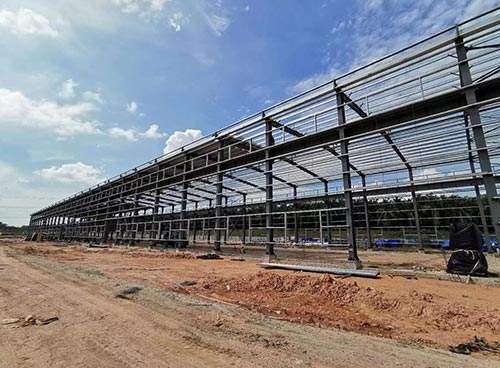
- Residential and small commercial buildings – Cost-effective for low-rise structures.
- Fire-prone areas – Natural fire resistance reduces risk.
- Infrastructure projects – Bridges, dams, and highways require concrete’s durability.
- Heavy load-bearing structures – Suitable for applications needing high compressive strength.
Conclusion
Both building with steel structure and concrete construction have unique benefits and challenges. The choice between the two depends on project requirements, budget, environmental considerations, and long-term maintenance needs.
Steel structures are ideal for rapid construction, sustainability, and seismic resilience, while concrete remains a strong choice for durability, fire resistance, and affordability in certain applications. Developers and engineers must carefully evaluate each material based on their specific project goals to ensure the best results.
FAQ
What is the main advantage of building with steel structure over concrete?
Steel structures offer faster construction time, higher strength-to-weight ratio, and greater flexibility, making them ideal for high-rise and large-span projects.
Is steel construction more expensive than concrete?
Initially, steel may have higher material costs, but its reduced labor expenses and faster installation often balance the overall project cost.
Which material is better for earthquake resistance?
Steel is better suited for seismic-prone areas due to its flexibility, while concrete can crack under intense stress.
How long does a steel structure last compared to concrete?
With proper maintenance, both steel and concrete structures can last for decades. Steel requires anti-corrosion coatings, while concrete may need crack repairs over time.
Can steel and concrete be used together in construction?
Yes, hybrid structures using both materials are common, combining the strength of steel with the durability of concrete for optimal performance.