Welcome to My Blog!
Before we dive into the content, I’d love for you to join me on my social media platforms where I share more insights, engage with the community, and post updates. Here’s how you can connect with me:
Facebook:https://www.facebook.com/profile.php?id=61565337355573
Now, let’s get started on our journey together. I hope you find the content here insightful, engaging, and valuable.
Table of Contents
Introduction
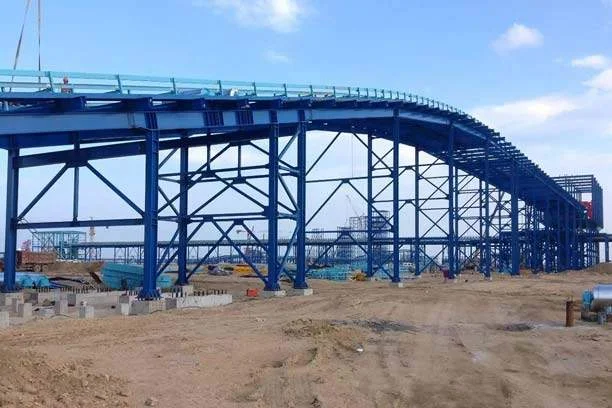
Steel has been a cornerstone of modern architecture and construction, offering unmatched strength, durability, and versatility. With the rise of innovative building techniques, steel building structural solutions have gained widespread popularity across industries. Whether you are planning an industrial warehouse, a commercial building, or a residential project, steel structures provide the reliability and efficiency needed for contemporary construction demands.
This comprehensive guide will explore the advantages, key components, and considerations involved in choosing steel structural solutions. By the end of this article, you will have a clear understanding of why steel is the go-to material for modern buildings.
Understanding Steel Building Structural Solutions
Steel building structural solutions refer to construction systems that use steel as the primary material for load-bearing components such as beams, columns, and trusses. These structures are designed to withstand heavy loads while maintaining structural integrity over time.
Steel structures are highly versatile, making them suitable for a wide range of applications, including:
- Industrial Buildings: Warehouses, factories, and processing plants.
- Commercial Properties: Office buildings, shopping malls, and showrooms.
- Residential Projects: High-rise apartments and customized homes.
- Agricultural Structures: Barns, silos, and storage facilities.
By leveraging the inherent properties of steel, these solutions ensure longevity, safety, and cost-effectiveness.
Advantages of Steel Building Structural Solutions
Strength and Durability
Steel is known for its exceptional strength-to-weight ratio, enabling it to support heavy loads without compromising structural integrity. It also resists environmental factors such as corrosion, pests, and fire, ensuring long-term durability.
Design Flexibility
With steel, architects and engineers can design complex structures with ease. The material’s versatility allows for custom shapes, long spans, and open spaces, catering to diverse architectural styles.
Cost-Effectiveness
Steel structures often reduce construction time due to prefabrication, which minimizes labor costs and accelerates project timelines. Additionally, steel is recyclable, reducing material waste and contributing to cost savings.
Sustainability
As a recyclable material, steel contributes to sustainable building practices. Many steel manufacturers also adopt eco-friendly production methods, making it a green choice for construction projects.
Ease of Maintenance
Steel structures require minimal maintenance compared to traditional materials like wood or concrete. Periodic inspections and surface treatments are sufficient to keep them in excellent condition.
Key Components of Steel Building Structural Systems
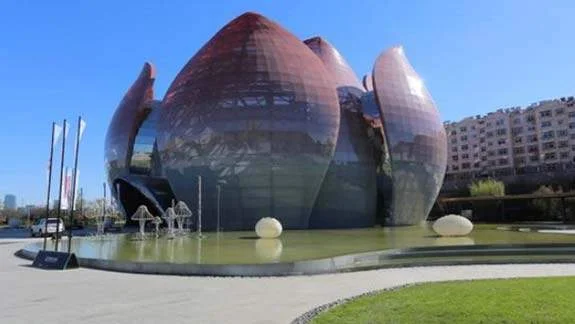
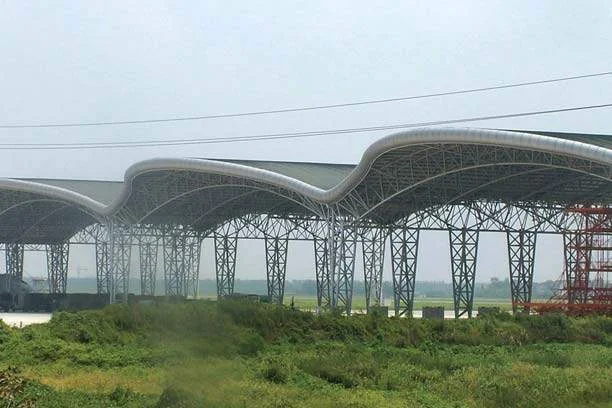
Beams and Columns
Beams and columns form the skeleton of a steel structure, providing support and stability. They are designed to withstand vertical and horizontal loads.
Trusses
Trusses distribute weight evenly and are commonly used in roofs and bridges. Their triangular configuration enhances load-bearing capacity.
Purlins and Girts
These components provide support for roof and wall panels, ensuring stability and alignment.
Bracing Systems
Braces enhance the overall strength and stiffness of the structure, preventing deformation under stress.
Fasteners and Connections
Bolts, screws, and welds are used to join steel components securely, ensuring structural integrity.
Table: Comparison of Steel vs. Traditional Materials
| Aspect | Steel Structures | Traditional Materials |
|---|---|---|
| Strength | High strength-to-weight ratio | Moderate to high strength |
| Durability | Resistant to corrosion, pests, and fire | Susceptible to decay and damage |
| Construction Speed | Faster due to prefabrication | Slower due to on-site assembly |
| Sustainability | Recyclable and eco-friendly | Limited recyclability |
| Design Flexibility | Suitable for complex and modern designs | Restricted by material properties |
Applications of Steel Building Structural Solutions
Industrial Warehouses
Steel structures are ideal for warehouses due to their ability to create large open spaces without internal columns.
High-Rise Buildings
The high strength-to-weight ratio of steel makes it the preferred choice for skyscrapers and multi-story buildings.
Agricultural Facilities
Steel is used for barns, silos, and storage facilities, providing durability and resistance to environmental factors.
Bridges
Steel’s tensile strength and flexibility make it an essential material for bridges, ensuring safety and longevity.
Residential Projects
Steel structures are becoming popular in residential construction due to their sleek designs and low maintenance.
How to Choose the Right Steel Building Structural Solution
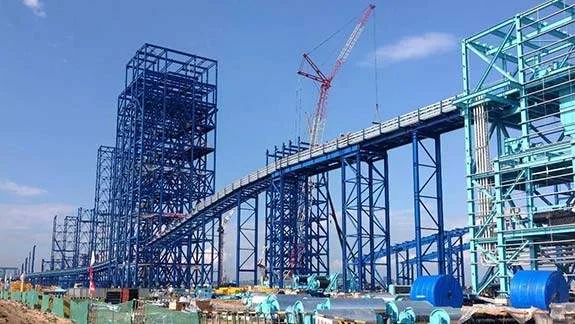
Assess Your Requirements
Consider factors such as load-bearing capacity, design preferences, and budget.
Evaluate Material Quality
Ensure the steel used meets industry standards for strength and durability.
Choose a Reputable Manufacturer
Select a manufacturer with a proven track record in producing high-quality steel components.
Consider Prefabrication Options
Prefabricated steel components can save time and reduce construction costs.
Plan for Maintenance
Although steel structures require minimal maintenance, periodic inspections and treatments are essential for longevity.
Conclusion
Steel building structural solutions have revolutionized the construction industry by offering unparalleled strength, durability, and versatility. From high-rise buildings to agricultural facilities, steel structures provide reliable and cost-effective solutions for a wide range of applications. By choosing high-quality steel and working with reputable manufacturers, you can ensure the success of your construction project.
FAQ
What are the common grades of steel used in construction?
The most common grades include ASTM A36, A572, and A992. Each grade is designed for specific applications, with variations in strength, ductility, and weldability.
How long do steel structures last?
With proper maintenance, steel structures can last for 50 years or more. Their longevity depends on factors such as material quality, environmental conditions, and maintenance practices.
Are steel structures resistant to earthquakes?
Yes, steel structures are highly resistant to seismic activity due to their flexibility and strength. Properly designed steel buildings can withstand significant ground movements.
What are the environmental benefits of using steel?
Steel is recyclable and often produced using eco-friendly methods. Its long lifespan also reduces the need for replacement, minimizing environmental impact.
Can steel structures be customized for aesthetic purposes?
Absolutely. Steel’s versatility allows for unique designs and finishes, making it suitable for both functional and aesthetic applications.
How do I maintain a steel structure?
Maintenance involves periodic inspections, cleaning, and surface treatments to prevent corrosion. Addressing minor issues promptly can extend the lifespan of the structure.
Are steel structures more expensive than traditional buildings?
While the initial cost may be higher, steel structures often prove more cost-effective in the long run due to faster construction, reduced maintenance, and durability.