Welcome to My Blog!
Before we dive into the content, I’d love for you to join me on my social media platforms where I share more insights, engage with the community, and post updates. Here’s how you can connect with me:
Facebook:https://www.facebook.com/profile.php?id=61565337355573
Now, let’s get started on our journey together. I hope you find the content here insightful, engaging, and valuable.
Table of Contents
Introduction
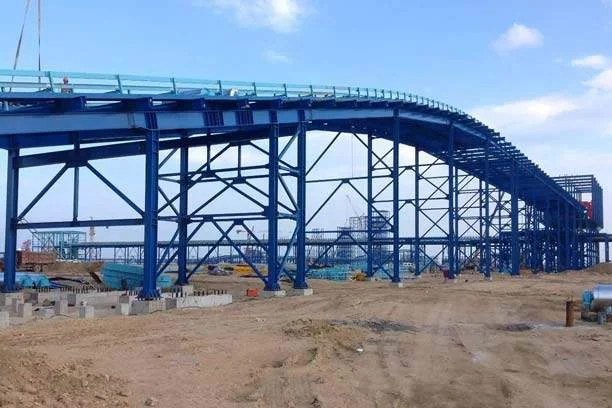
Structural steel is the backbone of modern construction, providing the strength, durability, and versatility required for a wide range of projects. From towering skyscrapers and expansive bridges to robust industrial facilities and essential infrastructure, structural steel plays a critical role. Understanding what is structural steel, its properties, and the various grades available is crucial for anyone involved in construction or engineering. As a leading steel structure company, we at Guanglei are dedicated to providing comprehensive knowledge and high-quality steel solutions. This guide will explore what is structural steel, different steel grades, their applications, advantages, and key considerations for selecting the right material, showcasing our expertise and commitment to excellence.
What is Structural Steel? Defining its Core Properties
What is structural steel? It is a category of steel specifically manufactured for use in construction and other structural applications. It is characterized by its specific chemical composition and mechanical properties, which provide the necessary strength, ductility, weldability, and corrosion resistance for demanding structural requirements. Key properties that define what is structural steel include:
- Strength (Yield Strength and Tensile Strength): Measures the steel’s ability to withstand stress before permanent deformation (yield strength) and before breaking (tensile strength).
- Ductility: Measures the steel’s ability to deform under tensile stress without fracturing, allowing for bending and shaping.
- Weldability: Measures the steel’s ability to be welded without compromising its structural integrity.
- Corrosion Resistance: Measures the steel’s ability to resist corrosion from environmental factors.
Different Structural Steel Grades


Understanding what is structural steel also requires knowledge of its various grades. Different standards exist globally (e.g., ASTM in the US, EN in Europe, JIS in Japan). Here we will discuss some common grades and their general characteristics:
- ASTM A36 Steel: A common carbon steel used for general structural purposes. It offers good weldability and machinability but has moderate strength.
- ASTM A500 Steel: A cold-formed welded and seamless carbon steel tubing used for structural applications. It comes in various shapes (round, square, rectangular).
- ASTM A572 Steel: A high-strength low-alloy steel with improved strength and weldability compared to A36. It is available in various grades (e.g., Grade 50, Grade 65) with different strength levels.
- ASTM A992 Steel: A high-strength low-alloy steel specifically designed for structural shapes, offering excellent weldability and toughness. It is commonly used in building construction.
- EN 10025: The European standard for hot-rolled structural steel products. It includes various grades like S235, S275, S355, each with different strength levels.
Comparison of Common Structural Steel Grades
| Property | ASTM A36 | ASTM A500 Grade B | ASTM A572 Grade 50 | ASTM A992 | EN 10025 S355 |
|---|---|---|---|---|---|
| Yield Strength (ksi) | 36 | 46 | 50 | 50 | 51 (MPa converted) |
| Tensile Strength (ksi) | 58-80 | 62 | 65 | 65 | 67-85 (MPa converted) |
| Weldability | Good | Good | Excellent | Excellent | Good |
| Typical Applications | General construction, light structures | Trusses, columns, and other structural members | Bridges, buildings, and heavy construction | Building construction, bridges | General structural purposes in Europe |
Applications of Structural Steel in Various Construction Projects
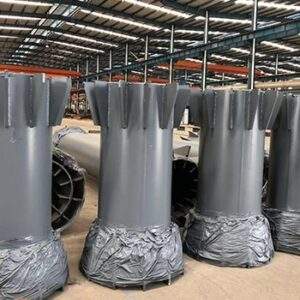


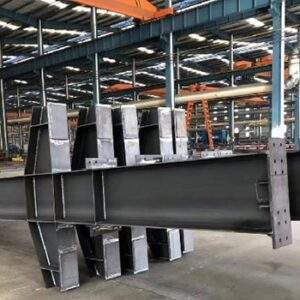
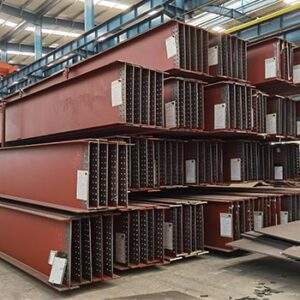
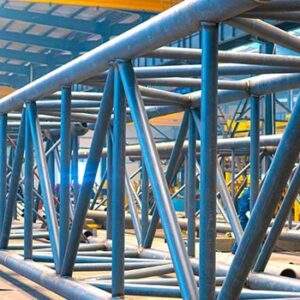
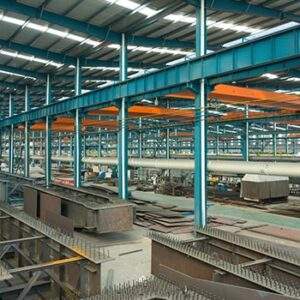
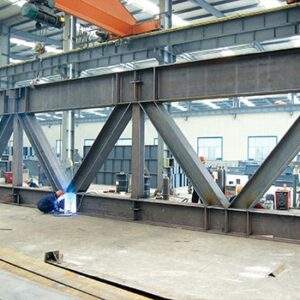
Because of the diverse properties associated with what is structural steel, it can be found in many applications:
- High-Rise Buildings: The high strength-to-weight ratio allows for tall and slender structures.
- Bridges: The strength, ductility, and fatigue resistance are essential for handling heavy loads and dynamic forces.
- Industrial Buildings: The robustness and versatility are ideal for factories, warehouses, and other industrial facilities.
- Infrastructure Projects: Used in airports, stadiums, transportation hubs, and other infrastructure projects.
Key Considerations When Choosing Structural Steel
Selecting the appropriate structural steel grade is crucial for ensuring structural integrity, safety, and cost-effectiveness. Key considerations include:
- Load Requirements: The anticipated loads the structure will bear.
- Environmental Conditions: Exposure to corrosive elements, temperature variations, and seismic activity.
- Design Specifications: The specific requirements of the project design.
- Weldability and Fabrication Requirements: The ease of welding and fabrication.
- Cost and Availability: The cost and availability of the chosen steel grade.
Our Expertise in Structural Steel Solutions at Guanglei

At Guanglei, we have years of experience in providing high-quality structural steel solutions. Our services include:
- Steel Supply and Fabrication: We offer a wide range of structural steel grades and provide custom fabrication services to meet specific project requirements.
- Structural Design and Engineering: Our experienced engineers can assist with structural design and calculations.
- Installation and Erection: We provide professional installation and erection services to ensure proper construction.
Call to Action:
Contact us today to discuss your structural steel needs and learn how we can provide the right solutions for your next project.
Conclusion
What is structural steel? It is a vital material that underpins modern construction, offering unparalleled strength, versatility, and durability. By understanding what is structural steel and its various grades, engineers and builders can make informed decisions to create safe, efficient, and long-lasting structures. We are committed to providing high-quality steel solutions and expertise to support the success of your projects.
FAQ
Q: What is the difference between structural steel and mild steel?
A: Structural steel has specific mechanical properties and chemical compositions designed for structural applications, while mild steel is a general-purpose carbon steel.
Q: How is the strength of structural steel measured?
A: The strength is typically measured by its yield strength and tensile strength.
Q: What are the benefits of using steel in construction?
A: Steel offers high strength-to-weight ratio, durability, recyclability, and ease of construction.
Q: How is structural steel protected from corrosion?
A: Common protection methods include painting, galvanizing, and weathering steel (which forms its own protective layer).
Q: What are the different shapes of structural steel available?
A: Common shapes include I-beams, channels, angles, tubes (HSS), and plates.
Q: How do I choose the right grade of structural steel for my project?
A: Consider the load requirements, environmental conditions, design specifications, and cost. Consulting with a structural engineer is recommended.
Q: Does your company offer steel fabrication services?
A: Yes, we offer a full range of steel fabrication services, including cutting, welding, and other modifications.