Welcome to My Blog!
Before we dive into the content, I’d love for you to join me on my social media platforms where I share more insights, engage with the community, and post updates. Here’s how you can connect with me:
Facebook:https://www.facebook.com/profile.php?id=61565337355573
Now, let’s get started on our journey together. I hope you find the content here insightful, engaging, and valuable.
Table of Contents
Introduction
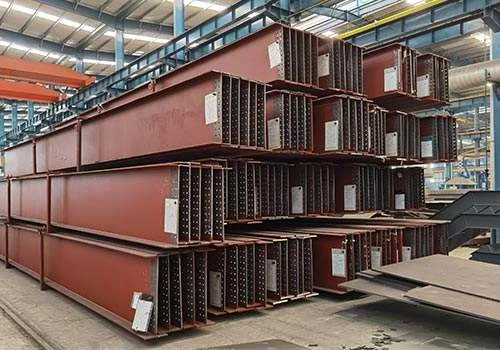
Structural steel I beam is a fundamental element in modern construction and engineering, recognized for its exceptional strength and adaptability. Its unique design, which resembles the letter “I” in cross-section, provides optimal weight distribution and durability. From towering skyscrapers to simple residential frameworks, the structural steel I beam is a preferred choice for architects, engineers, and builders.
In this guide, we’ll dive deeply into the structural steel I beam, covering its features, types, applications, benefits, and much more. Whether you are a construction professional or someone exploring options for your next project, this guide will give you the knowledge to make informed decisions.
What Is a Structural Steel I Beam?
A structural steel I beam is a steel product specifically designed to support large loads and resist bending forces. Its design allows for maximum strength with minimal material usage, making it an economical yet highly efficient choice for a variety of structural applications.
Key Features of Structural Steel I Beams
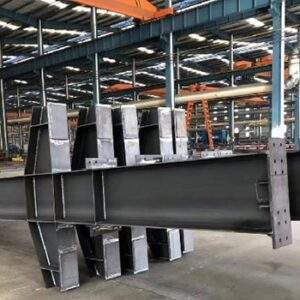
- Flange: These are the top and bottom horizontal plates of the I beam that bear the load.
- Web: The vertical middle section connects the flanges and resists shear forces.
- Lightweight but Strong: The design minimizes material without compromising structural integrity.
Typical Applications
- Building Construction: Supporting floors, ceilings, and roofs in residential and commercial structures.
- Bridge Construction: Providing strong yet lightweight components for spanning long distances.
- Industrial Machinery: Serving as a robust framework for heavy equipment and machines.
- Transportation Infrastructure: Supporting railways, tunnels, and overpasses.
Advantages of Using Structural Steel I Beams
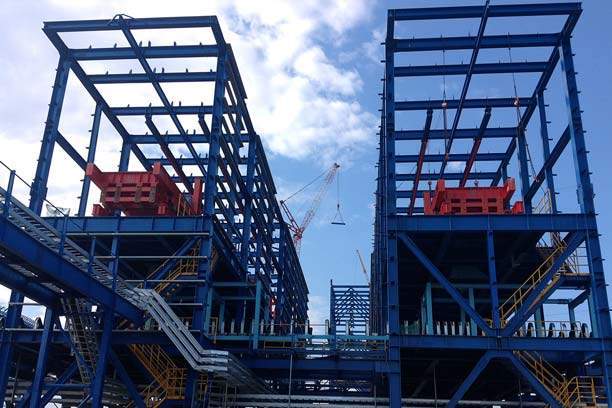

Enhanced Structural Support
Structural steel I beams are designed to distribute weight and forces efficiently, ensuring stability and strength in any structure.
Material Efficiency
The “I” shape uses less material compared to other beam designs while offering superior strength, making it cost-effective and environmentally friendly.
Versatile Design
These beams can be custom-made to suit various applications and load requirements, offering flexibility for a range of projects.
Corrosion Resistance
With appropriate coatings, structural steel I beams resist corrosion, ensuring longevity even in harsh environments.
Recyclability
Structural steel is one of the most recyclable materials globally, aligning with sustainable construction practices.
Types of Structural Steel I Beams
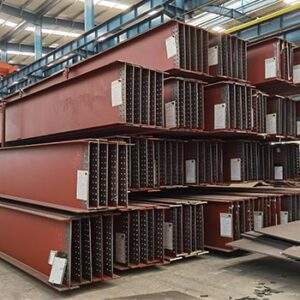
Structural steel I beams come in many forms, each suited to specific applications. Below is a breakdown of the most common types and their uses:
| Type of I Beam | Description | Common Uses |
|---|---|---|
| Standard I Beam (S-beam) | Features tapered flanges for handling vertical loads. | Residential and small commercial buildings. |
| Wide Flange Beam (W-beam) | Non-tapered, wider flanges for better weight distribution. | Bridges, high-rise buildings, and factories. |
| Junior I Beam (J-beam) | A smaller, lightweight version of the standard I beam. | Small-scale projects and renovations. |
| H-beam | Wider flanges and web, providing greater stability for heavy-duty use. | Infrastructure and large-scale construction. |
Understanding the differences between these beams helps in selecting the right one for your project’s requirements.
How to Choose the Right Structural Steel I Beam


Key Considerations
- Load Requirements: Determine the maximum weight and force the beam needs to support.
- Span and Dimensions: Longer spans and higher loads require beams with larger dimensions.
- Material Grade: Choose high-quality steel grades for durability and safety.
- Environmental Conditions: For outdoor or coastal environments, opt for beams with anti-corrosion treatments.
Consult with Professionals
Choosing the correct structural steel I beam for your project requires technical expertise. At Guanglei Steel Structure, our experienced team provides tailored recommendations based on your specific needs.
Installation Tips for Structural Steel I Beams
Proper installation ensures optimal performance and safety.
- Site Preparation: Ensure the foundation is stable and level before installation.
- Safety Measures: Use certified lifting equipment and follow safety protocols.
- Professional Guidance: Engage qualified engineers and technicians for precise alignment and welding.
Maintenance of Structural Steel I Beams
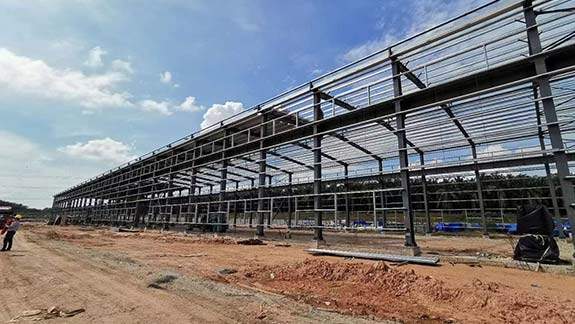
Regular maintenance can extend the life and efficiency of structural steel I beams.
- Inspect for Damage: Regularly check for cracks, rust, or deformation.
- Apply Protective Coatings: Use anti-corrosion paints or galvanization for beams exposed to harsh environments.
- Monitor Load Limits: Avoid overloading beams to prevent structural damage.
Conclusion
Structural steel I beams are a vital component in modern construction, offering unparalleled strength, adaptability, and cost efficiency. Their ability to support massive loads while maintaining a lightweight design makes them an essential choice for a variety of projects.
At Guanglei Steel Structure, we specialize in providing top-quality structural steel I beams tailored to your unique requirements. Contact us today to learn more about how we can assist with your next project.
FAQ
How are structural steel I beams manufactured?
I beams are produced through processes such as hot rolling, extrusion, or welding. These methods ensure precision and durability.
Can structural steel I beams be used in seismic zones?
Yes, structural steel I beams are designed to absorb and distribute stress, making them suitable for seismic-resistant construction when properly engineered.
What is the lifespan of a structural steel I beam?
With proper maintenance, structural steel I beams can last for decades, often exceeding 50 years.
Are structural steel I beams customizable?
Yes, structural steel I beams can be customized in terms of dimensions, coatings, and material grades to meet specific project requirements.
How do I prevent corrosion on structural steel I beams?
Applying protective coatings, such as galvanization or specialized paints, and conducting regular maintenance can prevent corrosion and extend the lifespan of your beams.