Welcome to My Blog!
Before we dive into the content, I’d love for you to join me on my social media platforms where I share more insights, engage with the community, and post updates. Here’s how you can connect with me:
Facebook:https://www.facebook.com/profile.php?id=61565337355573
Now, let’s get started on our journey together. I hope you find the content here insightful, engaging, and valuable.
Table of Contents
Introduction

Steel structural components are a cornerstone of modern construction. They offer durability, flexibility, and sustainability, making them indispensable in creating resilient buildings and infrastructure. From skyscrapers to bridges, the use of steel structural systems has transformed how we build and design.
This article delves into the top benefits of using steel structural elements in construction, highlighting their properties, applications, and why they are a preferred choice for engineers and architects. If you’re considering steel structural systems for your next project, this guide will provide you with a comprehensive understanding of their advantages and applications.
Why Steel Structural is a Game-Changer in Construction
Steel structural systems are engineered frameworks composed of steel beams, columns, and other components designed to support and bear loads. Their exceptional properties make them versatile, reliable, and efficient for various construction needs.
Key Benefits of Using Steel Structural
Durability and Strength
Steel is one of the strongest materials used in construction. Steel structural components can withstand high loads, resist deformation, and maintain their integrity over time.
- Load Resistance: Steel can support heavy loads, making it ideal for large-scale projects.
- Longevity: With proper maintenance, steel structures can last for decades, ensuring long-term value.
Design Flexibility
Steel structural systems offer unmatched flexibility, allowing architects to create innovative and complex designs.
- Adaptability: Steel can be molded into various shapes and sizes, catering to diverse construction needs.
- Custom Solutions: Engineers can tailor steel structural systems to specific requirements, optimizing space and efficiency.
Sustainability
As environmental concerns grow, steel structural systems stand out for their sustainability.
- Recyclability: Steel is 100% recyclable, reducing waste and environmental impact.
- Energy Efficiency: Steel structures can incorporate energy-efficient designs, such as insulated panels and solar installations.
Speed of Construction
Steel structural components are often prefabricated, reducing construction time significantly.
- Ease of Assembly: Prefabricated components are quick to assemble, minimizing labor costs.
- Reduced Downtime: Faster construction reduces project delays and accelerates timelines.
Cost-Effectiveness
While the initial investment in steel structural systems might be higher, their long-term cost savings outweigh the upfront costs.
- Low Maintenance: Steel requires minimal maintenance, reducing ongoing expenses.
- Durable Investment: The longevity of steel ensures fewer replacements and repairs over time.
Applications of Steel Structural in Construction
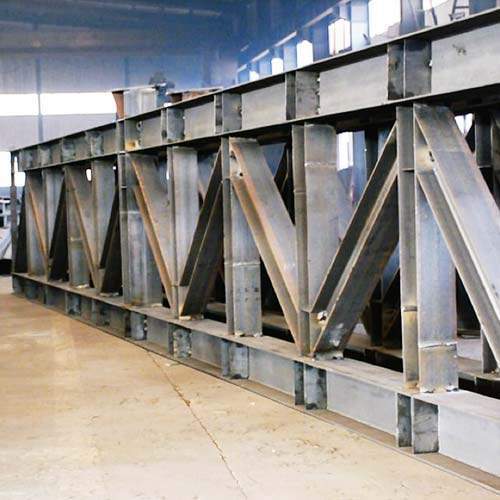
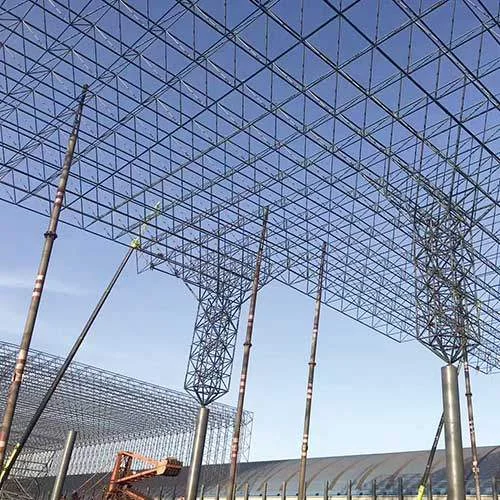
Steel structural systems are used across various construction projects due to their versatility.
Commercial Buildings
Steel is the backbone of skyscrapers, shopping malls, and office complexes, offering strength and flexibility.
Industrial Facilities
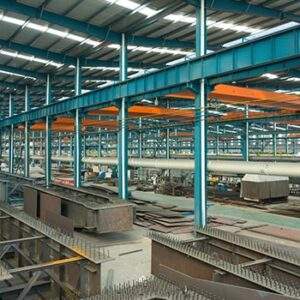
Factories, warehouses, and production plants rely on steel structural systems for durability and safety.
Residential Buildings
Modern residential buildings increasingly incorporate steel structural elements for stability and innovative designs.
Bridges and Infrastructure
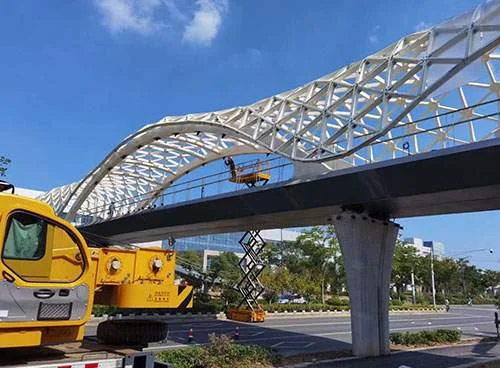
Bridges, tunnels, and highways benefit from the high load-bearing capacity and durability of steel.
Table: Comparison of Steel Structural Components and Their Features
| Component | Function | Key Features |
|---|---|---|
| Steel Beams | Support horizontal loads | High strength, customizable dimensions |
| Steel Columns | Vertical load-bearing elements | Durable, resistant to buckling |
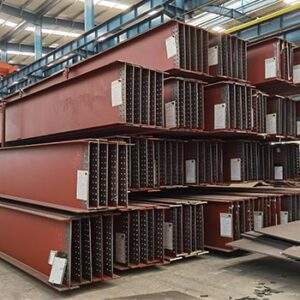
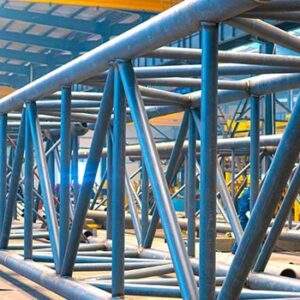
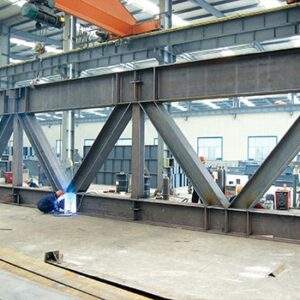
| Steel Trusses | Provide structural stability | Lightweight, high load efficiency |
| Steel Panels | Wall and roofing applications | Energy-efficient, corrosion-resistant |
| Steel Connections | Join various structural components | Precision-engineered, secure fastening |
Choosing the Right Steel Structural System
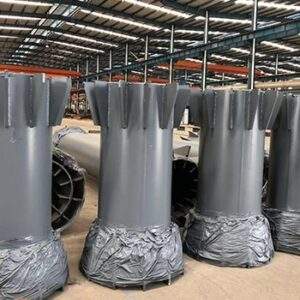


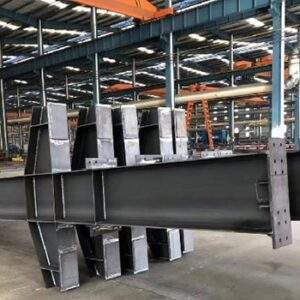
Consider Your Project Needs
Assess the scale and type of your project to determine the appropriate steel structural components.
Evaluate Quality Standards
Choose steel that meets international quality standards for strength and durability.
Work with Experienced Professionals
Collaborate with engineers and architects experienced in steel structural systems to optimize your design and construction process.
Factor in Long-Term Benefits
While the upfront cost of steel structural systems might be higher, their durability and low maintenance costs provide significant long-term savings.
Maintenance Tips for Steel Structural Systems
Regular Inspections
Conduct routine checks to identify and address any potential issues, such as corrosion or structural fatigue.
Protective Coatings
Apply anti-corrosion coatings to steel components exposed to moisture or harsh environmental conditions.
Cleaning
Keep steel surfaces clean and free from debris to maintain their integrity.
Structural Upgrades
Periodically evaluate and upgrade your steel structural system to meet evolving safety and design standards.
Conclusion
Steel structural systems have revolutionized the construction industry, offering unparalleled strength, flexibility, and sustainability. Whether you’re building a skyscraper, a bridge, or a residential home, steel provides the reliability and efficiency needed for modern construction challenges.
By understanding the benefits and applications of steel structural components, you can make informed decisions that enhance the durability and functionality of your projects. Investing in steel structural systems is not just a choice for today but a commitment to long-term quality and sustainability.
FAQ
What is a steel structural system?
A steel structural system is an engineered framework composed of steel components like beams, columns, and trusses designed to support and bear loads in construction projects.
Why is steel considered a sustainable construction material?
Steel is 100% recyclable, making it an eco-friendly choice. It can be reused multiple times without losing its properties, reducing environmental impact.
What are the advantages of using steel in large-scale construction?
Steel offers high strength, durability, design flexibility, and faster construction timelines, making it ideal for large-scale projects like skyscrapers and bridges.
How do I maintain steel structural components?
Regular inspections, protective coatings, and cleaning are essential for maintaining steel structures. Addressing any signs of corrosion or wear promptly is also crucial.
Are steel structural systems cost-effective?
Yes, while the initial investment may be higher, steel structural systems are cost-effective in the long run due to their durability, low maintenance costs, and energy efficiency.
Can steel structural systems be used in residential construction?
Absolutely. Steel is increasingly used in residential buildings for its strength, design versatility, and sustainability.
What industries commonly use steel structural components?
Steel structural systems are used in commercial, industrial, residential, and infrastructure projects, including factories, bridges, and office buildings.
What are the main challenges of using steel in construction?
Steel can be prone to corrosion in certain environments and may require protective coatings. Additionally, proper planning is needed to optimize the material’s benefits.
How does steel compare to concrete in construction?
Steel is stronger and more flexible than concrete, allowing for innovative designs and faster construction. However, steel may require protective measures against corrosion.
What are some innovations in steel structural systems?
Recent innovations include advanced corrosion-resistant coatings, modular construction techniques, and the integration of smart technology for real-time structural monitoring.