Welcome to My Blog!
Before we dive into the content, I’d love for you to join me on my social media platforms where I share more insights, engage with the community, and post updates. Here’s how you can connect with me:
Facebook:https://www.facebook.com/profile.php?id=61565337355573
Now, let’s get started on our journey together. I hope you find the content here insightful, engaging, and valuable.
Table of Contents
Introduction

Steel C channels are one of the most versatile and widely used structural components in the construction industry. These channels, named for their “C” shape, are known for their strength, durability, and adaptability. From framing to support systems, they play a vital role in creating robust and long-lasting structures.
This blog provides a comprehensive guide to the uses, benefits, and selection criteria for steel C channels in construction projects. We will also delve into their properties and applications to help you better understand their importance.
What Are Steel C Channels?
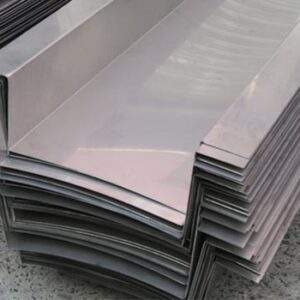
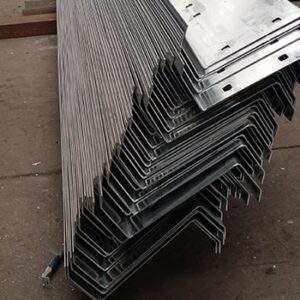
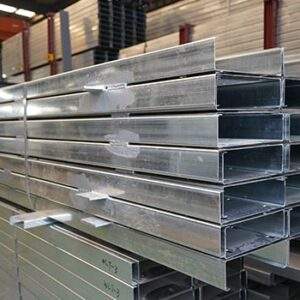
Steel C channels are structural components with a cross-sectional “C” shape, featuring one flat side and two parallel flanges. This design provides excellent strength and flexibility, making them suitable for various applications.
Key Features of Steel C Channels
- High Tensile Strength: They offer superior load-bearing capacity.
- Corrosion Resistance: Especially when made from stainless steel or treated with protective coatings.
- Versatility: Can be used in different construction tasks, including framing, bracing, and reinforcement.
- Ease of Fabrication: They can be cut, welded, or drilled for specific project needs.
Common Dimensions
Steel C channels come in various sizes and thicknesses to suit diverse construction requirements.
Top Uses of Steel C Channels in Construction
Structural Support
Steel C channels are commonly used as structural supports in building frameworks. Their high strength and rigidity make them ideal for bearing loads in walls, ceilings, and floors.
Applications in Structural Support
- Wall Framing: Provides stability and reinforcement for interior and exterior walls.
- Roofing Systems: Acts as a support structure for trusses and panels.
- Floor Joists: Ensures even load distribution across floors.
Reinforcement in Bridges and Highways
In infrastructure projects, steel C channels are used to reinforce bridges, highways, and tunnels. Their ability to withstand heavy loads and harsh weather conditions makes them an essential component in civil engineering projects.
Vehicle Manufacturing
Steel C channels are often used in the automotive and transportation industries to build truck frames, trailer beds, and railway carriages. Their lightweight yet robust properties help enhance vehicle efficiency and safety.
Industrial Applications
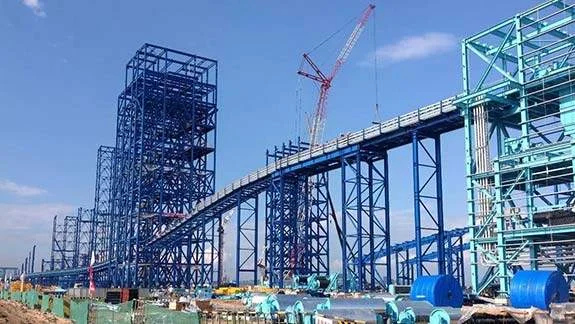
Steel C channels serve as supports for conveyors, cranes, and machinery in industrial settings. They are also used to construct storage racks and shelving units due to their excellent load-bearing capabilities.
Residential Construction
In residential projects, steel C channels are used for tasks like framing doors and windows, creating stair stringers, and supporting decks and patios.
Benefits of Using Steel C Channels
Strength and Durability
Steel C channels offer excellent mechanical properties, ensuring the longevity of structures and components.
Cost-Effective
Their availability in various sizes and ease of fabrication make them a cost-effective solution for many construction needs.
Easy Installation
Steel C channels are lightweight and easy to handle, making installation quick and efficient.
Versatility
Their wide range of sizes, shapes, and finishes ensures they can be customized for specific applications.
Comparison of Steel C Channels
The following table provides an overview of the properties and common applications of steel C channels based on their material and treatment:
| Type | Material | Key Features | Common Applications |
|---|---|---|---|
| Hot-Rolled Steel C Channel | Carbon Steel | High strength, low cost | Structural supports, heavy loads |
| Stainless Steel C Channel | Stainless Steel | Corrosion resistance, aesthetic | Marine and outdoor use |
| Galvanized Steel C Channel | Galvanized Steel | Rust resistance | Roofing, framing |
| Aluminum C Channel | Aluminum | Lightweight, corrosion resistance | Vehicle frames, light structures |
How to Choose the Right Steel C Channel


Assess Your Project Requirements
Consider the load-bearing capacity, size, and environment in which the steel C channel will be used.
Material Selection
Choose the right material based on the application. For example, stainless steel is ideal for environments prone to moisture or corrosion, while carbon steel is better suited for heavy-duty applications.
Size and Dimensions
Ensure the channel’s size and thickness match the project’s load and stability requirements.
Coating and Finish
Opt for galvanized or powder-coated steel C channels for enhanced durability and resistance to environmental factors.
Reliable Supplier
Purchase from reputable brands like Qilu Steel to ensure high-quality materials and consistent performance.
Advantages of Steel C Channels in Modern Construction
- Environmentally Friendly: Steel is 100% recyclable, making it a sustainable construction material.
- Adaptability: Can be used in diverse environments, including extreme temperatures.
- Low Maintenance: Requires minimal upkeep, reducing long-term costs.
- Customizable: Easily modified to fit specific design and construction needs.
Conclusion
Steel C channels are a cornerstone of modern construction, offering unparalleled strength, versatility, and cost-effectiveness. Their applications span from residential buildings to large-scale infrastructure projects, proving their value across various industries.
Choosing the right steel C channel for your project involves understanding its properties, applications, and benefits. Brands like Qilu Steel provide high-quality options to meet diverse construction needs, ensuring reliability and durability in every project.
By incorporating steel C channels into your construction process, you can improve efficiency, reduce costs, and create robust, long-lasting structures.
FAQ
What are steel C channels used for?
Steel C channels are used for structural support, framing, reinforcement, and various industrial applications.
How are steel C channels manufactured?
They are typically produced through hot rolling, cold rolling, or extrusion processes, depending on the material and application.
What is the difference between hot-rolled and cold-rolled steel C channels?
Hot-rolled steel C channels are more robust and used for heavy-duty applications, while cold-rolled channels have a smoother finish and are ideal for precision projects.
Can steel C channels be customized?
Yes, steel C channels can be cut, drilled, welded, and coated to meet specific project requirements.
Are steel C channels suitable for outdoor use?
Stainless steel and galvanized steel C channels are ideal for outdoor use due to their corrosion-resistant properties.
How do I choose the right size of a steel C channel?
Consider the load requirements, span length, and application environment to determine the appropriate size and thickness.
What makes Qilu Steel a reliable brand for steel C channels?
Qilu Steel offers high-quality, durable, and customizable steel C channels with excellent customer support, ensuring reliable performance in every project.