Welcome to My Blog!
Before we dive into the content, I’d love for you to join me on my social media platforms where I share more insights, engage with the community, and post updates. Here’s how you can connect with me:
Facebook:https://www.facebook.com/profile.php?id=61565337355573
Now, let’s get started on our journey together. I hope you find the content here insightful, engaging, and valuable.
Table of Contents
Introduction

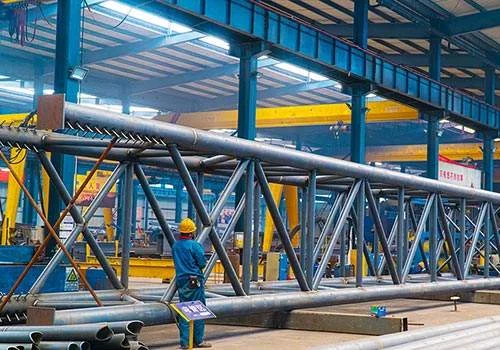
Column steel is an integral component in modern construction, offering the essential support and stability required for structures of all sizes. Their versatility and durability make them a go-to choice for architects and engineers around the world. These vertical elements not only bear heavy loads but also ensure that the weight is effectively distributed to the foundation, maintaining the structural integrity of the entire system. This blog explores ten proven solutions using steel columns that can significantly enhance stability, reduce risks, and promote long-term durability. Whether you’re working on the design of a towering skyscraper or a vital bridge, understanding the application and function of these crucial supports is key to ensuring success in any construction project.
Understanding Its Importance
Vertical steel elements play a critical role in construction by bearing substantial loads and efficiently transferring weight to the foundation. These structural components are designed to provide unmatched strength and stability, making them indispensable in various architectural and engineering projects. Thanks to their high load-bearing capacity, durability, and adaptability, such steel supports are a preferred material in applications ranging from small-scale residential buildings to massive industrial complexes and high-rise skyscrapers. Their ability to withstand diverse environmental conditions and resist deformation under stress further underscores their versatility and reliability in modern construction.
Key Benefits of Using Column Steel:
- High Strength-to-Weight Ratio: Column steel offers an exceptional strength-to-weight ratio, allowing it to bear heavy loads without adding excessive weight to the structure. This efficiency makes it ideal for high-rise buildings, bridges, and other load-intensive applications.
- Durability: Known for its long-lasting performance, column steel resists wear and tear caused by environmental factors such as moisture, corrosion, and extreme temperatures. Its inherent toughness ensures that structures remain stable and secure over time.
- Flexibility: Column steel can be fabricated into a wide range of sizes, shapes, and configurations to meet the unique demands of different projects. This adaptability makes it suitable for both standard and highly customized construction needs.
- Sustainability: As a fully recyclable material, column steel supports eco-friendly construction practices. Its ability to be reused and repurposed reduces waste, making it an environmentally responsible choice for modern building projects.
Common Uses of Column Steel:
- Supporting Beams in Residential Buildings: Steel columns provide the necessary reinforcement for residential structures, ensuring that beams remain stable and can safely carry the weight of upper floors and roofing systems. This is particularly vital in homes with open floor plans, where fewer walls mean greater reliance on structural supports.
- Strengthening Industrial Structures: In factories, warehouses, and other industrial facilities, robust steel supports are essential to handle heavy machinery, equipment loads, and operational stress. These elements contribute to the overall safety and functionality of industrial buildings.
- Reinforcing Bridges and Overpasses: Steel supports play a pivotal role in bridge construction, enabling the structure to withstand dynamic forces from vehicular traffic, weather, and environmental factors. Their resilience ensures that bridges and overpasses remain reliable for years.
- Enhancing the Stability of High-Rise Towers: In skyscrapers and tall buildings, vertical supports are critical for distributing loads and resisting wind forces. They provide the structural integrity needed to maintain stability even in challenging conditions like high winds or seismic activity.
10 Proven Solutions
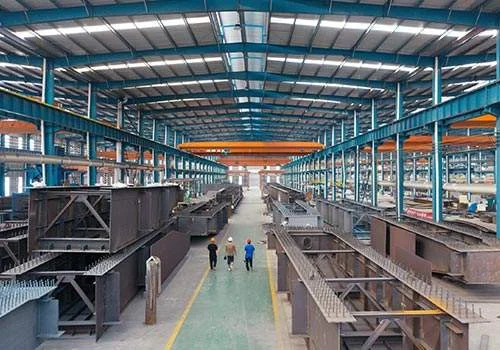
Selecting the Right Grade of Steel
Choosing the appropriate steel grade is crucial for ensuring structural stability. For example, high-strength low-alloy steels are ideal for heavy-load applications, while mild steel works well for residential buildings.
Optimizing Cross-Section Shapes
It comes in various shapes, such as I-beams, H-beams, and rectangular tubes. Each shape offers unique advantages depending on the specific project requirements.
Implementing Advanced Fabrication Techniques
Modern fabrication methods like welding and laser cutting improve precision and reduce material waste, enhancing the overall stability of column steel structures.
Incorporating Reinforcements
Adding reinforcements, such as concrete encasements or composite materials, boosts the load-bearing capacity of column steel, particularly in seismic zones.
Ensuring Proper Connection Design
The stability of column steel heavily depends on the quality of its connections. Using high-quality bolts, rivets, or welds ensures the columns perform as intended.
Table: Common Column Steel Types and Their Applications
| Column Steel Type | Shape | Applications | Key Benefits |
|---|---|---|---|
| Hot-Rolled Steel Columns | I-Beam | High-rise buildings, bridges | High strength, easy fabrication |
| H-Beam Columns | H-Beam | Industrial complexes, large-scale projects | Even load distribution, stability |
| Rectangular Hollow Sections | Rectangular | Residential buildings, warehouses | Versatility, aesthetic appeal |
| Tapered Columns | Custom Shape | Specialized construction, wind turbines | Optimized weight distribution |
| Circular Steel Columns | Circular | Architectural designs, pillars | Sleek design, strong load capacity |
| Composite Steel Columns | Encased Shapes | Earthquake-prone areas, critical structures | Enhanced strength and durability |
| Stainless Steel Columns | Custom Shapes | Marine structures, corrosive environments | Corrosion resistance, low maintenance |
Common Challenges in Using
Addressing Corrosion Risks
Steel columns exposed to harsh environmental conditions require protective coatings or treatments to prevent corrosion and extend their lifespan.
Managing Cost vs. Performance
Balancing the budget while ensuring high performance can be challenging. Opting for standard steel grades with proven reliability is a cost-effective solution.
Adapting to Seismic Conditions
In earthquake-prone regions, column steel must be reinforced and designed to absorb seismic forces without compromising stability.
Ensuring Compliance with Standards
Using column steel that meets local or international construction standards ensures safety and avoids legal complications.
Proper Installation and Maintenance
Even the best column steel solutions require proper installation and periodic maintenance to achieve long-term stability.
Conclusion
Column steel remains a cornerstone of modern construction, offering unmatched strength, versatility, and reliability. By understanding the various types and applications of column steel, you can make informed decisions to enhance the stability of your structures. Whether it’s selecting the right grade, optimizing shapes, or addressing environmental challenges, these ten proven solutions provide a roadmap for success. Investing in quality column steel ensures safety, longevity, and peace of mind for any construction project.
FAQ
Q1: What makes column steel different from other structural materials?
A: Steel columns provide superior strength, flexibility, and durability compared to materials such as wood or concrete, making them particularly well-suited for load-bearing applications. Unlike wood, which can weaken over time, or concrete, which may be susceptible to cracking under extreme stress, steel maintains its structural integrity under various environmental conditions. Its ability to support heavy loads with minimal deformation ensures that buildings and infrastructure projects remain stable and secure throughout their lifespan. This combination of strength and resilience makes steel the material of choice for a wide range of construction needs, from residential buildings to complex industrial structures.
Q2: How do I choose the right column steel type for my project?
A: Consider factors like load requirements, environmental conditions, and budget constraints. Consult with a structural engineer for precise recommendations.
Q3: Can column steel be recycled?
A: Yes, steel columns are 100% recyclable, making them an environmentally friendly choice for construction projects. At the end of their lifespan, steel can be efficiently repurposed and reused without losing any of its inherent properties or strength. This reduces the need for new raw materials, conserving natural resources and lowering the overall environmental impact of construction. The recyclability of steel also contributes to sustainability in the construction industry, as it helps minimize waste and supports circular economy practices. By opting for steel, construction projects can align with eco-conscious initiatives while maintaining the integrity and performance of the structure.
Q4: Is column steel suitable for residential construction?
A: Absolutely! Column steel is often used in residential projects for added strength and durability.
Q5: What is the lifespan of column steel?
A: With proper maintenance and effective protection against corrosion, steel columns can remain functional and durable for decades. Regular inspections and the application of protective coatings, such as galvanization or paint, help safeguard the steel from environmental elements like moisture, salt, and extreme temperatures, which can lead to rust and degradation. By implementing these protective measures, steel columns retain their strength and stability over time, ensuring long-term reliability and reducing the need for costly repairs or replacements. This makes them a wise investment for both residential and industrial structures, where longevity is crucial for maintaining safety and performance.