Welcome to My Blog!
Before we dive into the content, I’d love for you to join me on my social media platforms where I share more insights, engage with the community, and post updates. Here’s how you can connect with me:
Facebook:https://www.facebook.com/profile.php?id=61565337355573
Now, let’s get started on our journey together. I hope you find the content here insightful, engaging, and valuable.
Table of Contents
Introduction
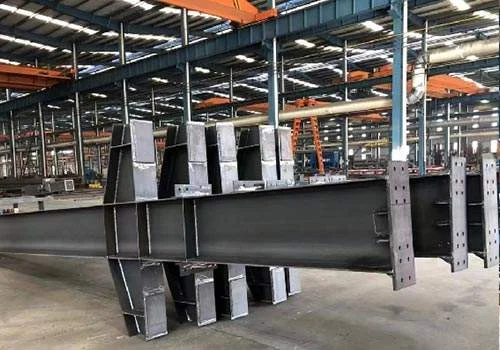
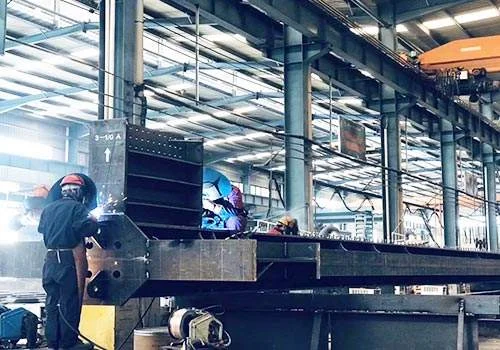
Steel columns and beams play a crucial role in modern construction, offering strength, durability, and versatility. Despite their importance, misconceptions about these structural components abound. These myths often lead to misunderstandings, improper usage, and missed opportunities to maximize their benefits. This blog debunks 10 common myths about steel columns and beams, providing clarity for architects, engineers, and builders alike.
Myth 1: Are Too Expensive
Truth: A Cost-Effective Solution in the Long Run
While the initial cost of steel columns and beams might seem high, their longevity and low maintenance requirements make them a cost-effective option. Compared to other materials like wood or concrete, steel offers exceptional durability, reducing the need for repairs or replacements over time. Additionally, advances in steel manufacturing have made it more affordable than ever before.
Myth 2: Are Susceptible to Corrosion
Truth: Proper Treatment Prevents Corrosion
A common misconception is that steel columns and beams are highly susceptible to rust and corrosion. While it’s true that steel is a metal that can be vulnerable to environmental elements like moisture and air, modern advancements in steel treatment have significantly improved its durability. Techniques such as galvanization, where a protective zinc coating is applied to the steel, and various other protective coatings, form an impenetrable barrier against corrosion. Additionally, steel can be treated with rust-resistant primers or powder coatings that further protect it from the harsh effects of weather and chemicals.
When properly maintained, these treatments can ensure that steel structures remain strong and visually appealing for decades. Regular inspections and maintenance, such as cleaning and re-coating when necessary, can prevent any minor corrosion from progressing into a more serious issue. As a result, steel columns and beams are not only a cost-effective solution in the short term but also a long-lasting investment for infrastructure that can stand the test of time without significant degradation.
Myth 3: Are Weak in Fire
Truth: Steel Retains Strength with Proper Fireproofing
Although steel can lose some of its strength at high temperatures, fireproofing techniques such as intumescent coatings or encasing steel in concrete significantly enhance its fire resistance. Many building codes mandate these measures, ensuring the safety and reliability of steel columns and beams even in extreme conditions.
Myth 4: Are Not Eco-Friendly
Truth: Steel Is a Sustainable Material
Steel is widely recognized as one of the most recyclable materials globally, making it an exceptional choice for environmentally conscious construction projects. Recycled steel retains its original properties, including strength and durability, allowing it to be reused indefinitely without compromising performance. This remarkable characteristic ensures that steel columns and beams not only meet structural demands but also contribute significantly to reducing environmental impact. By choosing steel, builders and architects actively support sustainable construction practices, minimize waste, and conserve valuable natural resources. Additionally, the energy savings achieved through recycling steel further underscore its role in promoting eco-friendly development.
Myth 5: Are Difficult to Install
Truth: Steel Components Are Engineered for Efficiency
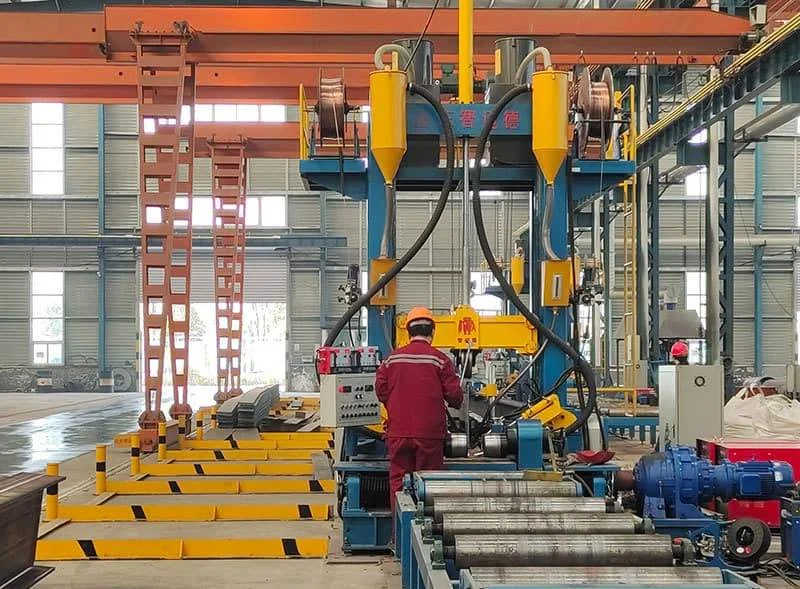
Modern steel columns and beams are engineered to streamline the construction process with quick and precise assembly. Thanks to advancements in manufacturing, these components are often prefabricated in controlled environments, ensuring high quality and exact dimensions. Prefabrication not only enhances the ease of transportation but also reduces the complexity of on-site installation. This efficiency minimizes labor costs, shortens construction timelines, and decreases the likelihood of errors during assembly. Additionally, the modular nature of steel components allows for flexibility in design and adaptability to various project requirements, making them an ideal choice for both large-scale and smaller, more intricate constructions.
Table: Comparison of Steel Columns and Beams with Other Materials
| Material | Strength | Durability | Maintenance | Eco-Friendliness |
|---|---|---|---|---|
| Steel | High | Excellent | Low | High |
| Wood | Moderate | Prone to Decay | Moderate to High | Moderate |
| Concrete | High | Moderate | High | Low |
| Composite | High | High | Low | Moderate |
Myth 6: Steel Columns and Beams Lack Versatility in Design
Truth: Steel Enables Creative and Flexible Designs
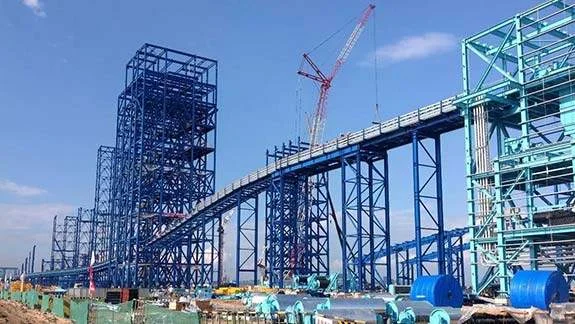
Steel’s exceptional high strength-to-weight ratio empowers architects to push the boundaries of creativity, enabling the realization of intricate and bold designs that would be unachievable with other materials. This unique property supports innovative architectural concepts, from expansive open floor plans that maximize interior space to elegantly curved structures that defy traditional limitations. Steel columns and beams provide unmatched design freedom, allowing for seamless integration into both modern and classic aesthetics. Whether it’s for towering skyscrapers, avant-garde bridges, or spacious residential spaces, steel’s versatility ensures it meets the demands of functionality and visual appeal, making it a cornerstone of architectural innovation.
Myth 7: Are Not Suitable for Residential Buildings
Truth: Steel Is Perfect for Both Commercial and Residential Use
While steel columns and beams are often synonymous with commercial and industrial buildings, their use in residential projects has grown significantly in recent years. This shift is largely due to their exceptional structural integrity, which ensures safety and longevity for homes. Beyond strength, steel’s adaptability allows for expansive, open-concept layouts that cater to modern architectural trends. Homeowners and designers alike appreciate the ability of steel to support large windows, high ceilings, and flexible spaces, creating brighter, more inviting interiors. Additionally, its sleek appearance can complement contemporary aesthetics, while its durability and low maintenance make it a practical choice for long-term residential use.
Myth 8: Are Noisy
Truth: Noise Issues Are Manageable
A common misconception is that steel structures are inherently noisy, with sounds arising from vibrations or thermal expansion. In reality, advancements in modern construction techniques and insulation materials have effectively addressed these concerns. When properly installed, steel columns and beams contribute to spaces that are not only structurally robust but also remarkably quiet and comfortable. High-quality insulation minimizes sound transmission, while engineering solutions dampen vibrations caused by environmental factors. These measures ensure that steel-framed buildings, whether residential or commercial, provide a serene and noise-controlled environment, dispelling the myth that steel structures are disruptive or uncomfortable to occupy.
Myth 9: Are Hard to Maintain
Truth: Low Maintenance with Proper Care
Steel is renowned for its low-maintenance requirements, making it a preferred choice for both residential and commercial construction projects. Unlike other materials that may demand frequent repairs or replacements, steel’s inherent durability means that basic upkeep, such as regular inspections and occasional cleaning, is typically sufficient to maintain its performance and appearance over time. Furthermore, the application of protective coatings, such as galvanization or specialized paints, enhances steel’s resistance to corrosion and wear, further reducing the need for maintenance. This combination of strength, longevity, and minimal upkeep not only saves time and money but also makes steel columns and beams a practical and cost-effective solution for long-term structural reliability.
Myth 10: Steel Columns and Beams Cannot Withstand Extreme Weather
Truth: Steel Excels in Harsh Conditions
Steel’s exceptional durability ensures its resilience against a wide range of environmental challenges, including strong winds, heavy snow loads, and seismic activity. When expertly engineered and properly installed, steel columns and beams stand out as some of the most dependable structural components in both ordinary and extreme weather conditions. Their strength and flexibility allow them to absorb and distribute forces effectively, reducing the risk of damage during events like hurricanes or earthquakes. This unparalleled reliability not only ensures the safety of buildings but also provides peace of mind to occupants, making steel an ideal choice for construction in diverse and demanding climates.
Conclusion
Steel columns and beams remain indispensable in construction, offering unmatched strength, durability, and flexibility. Debunking these myths helps stakeholders better understand their advantages and make informed decisions. By leveraging the unique properties of steel, architects and builders can create structures that stand the test of time.
FAQ
What are the main advantages of steel columns and beams?
Steel columns and beams offer exceptional strength, durability, and design flexibility. They are also recyclable, making them an eco-friendly choice.
Are steel columns and beams cost-effective?
Yes, while the initial cost may be higher, their longevity and low maintenance make them cost-effective in the long term.
Can steel columns and beams be used in residential buildings?
Absolutely. Steel is increasingly used in residential projects for its strength and ability to support modern architectural designs.
How can steel columns and beams be protected from corrosion?
Protective coatings, galvanization, and regular maintenance prevent corrosion, ensuring the longevity of steel components.
Are steel columns and beams environmentally friendly?
Yes, steel is highly recyclable and contributes to sustainable construction practices.