Welcome to My Blog!
Before we dive into the content, I’d love for you to join me on my social media platforms where I share more insights, engage with the community, and post updates. Here’s how you can connect with me:
Facebook:https://www.facebook.com/profile.php?id=61565337355573
Now, let’s get started on our journey together. I hope you find the content here insightful, engaging, and valuable.
Table of Contents
Introduction

Box steel columns are a cornerstone in modern construction due to their unmatched strength and durability. These structural elements are widely used in various projects, from skyscrapers to industrial facilities, thanks to their ability to withstand significant loads and environmental stress. This blog post delves into the essential facts about box steel columns, offering insights for architects, engineers, and construction professionals.
What Is a Box Steel Column?

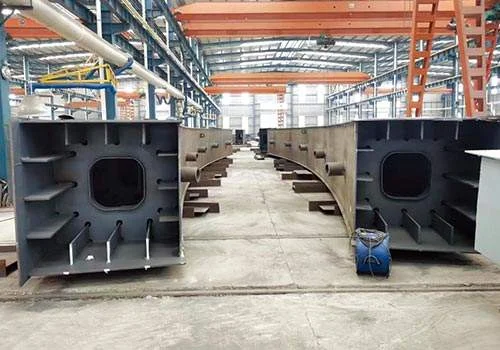
Box steel columns are hollow structural sections (HSS) widely used in modern construction for their impressive combination of strength, durability, and versatility. Designed with a rectangular or square cross-section, these columns feature a hollow center, which allows for a lighter weight while maintaining exceptional strength. Their unique design enables uniform load distribution, making them highly efficient in supporting heavy loads and resisting structural stresses.
Benefits of Box Steel Columns
- Strength: Can handle heavy vertical and lateral loads.
- Durability: Resistant to environmental factors like corrosion with proper treatment.
- Design Flexibility: Ideal for modern architectural designs requiring slender yet strong supports.
Box Steel Column Strength Depends on Material Grade
The strength of a hollow structural steel post is largely determined by the grade of steel selected during its fabrication. The choice of steel grade directly impacts the post’s ability to withstand tensile and compressive forces, which is essential for maintaining structural stability and performance under varying load conditions. Higher-grade steels, such as those with superior carbon content or alloying elements, offer significantly increased tensile and compressive strength, making them the preferred choice for applications subject to high stress or extreme environmental conditions.
These high-strength materials are particularly well-suited for heavy-duty applications, such as supporting high-rise buildings, industrial structures, or infrastructure projects where the load demands are substantial. Furthermore, the enhanced strength of higher-grade steels allows for more efficient and lightweight designs without compromising safety, reducing the overall construction costs. The steel grade not only influences strength but also determines properties like toughness, corrosion resistance, and flexibility, ensuring that the hollow structural steel post performs reliably throughout its lifecycle in both dynamic and static environments.
Comparison of Common Steel Grades
| Steel Grade | Tensile Strength (MPa) | Yield Strength (MPa) | Applications |
|---|---|---|---|
| Mild Steel (Grade 250) | 250–400 | 250 | Residential and light structures |
| Structural Steel (Grade 350) | 350–500 | 350 | High-rise buildings, bridges |
| High-Strength Steel (Grade 450) | 450–600 | 450 | Industrial and heavy-load structures |
Understanding the grade requirements for your project ensures optimal performance and cost efficiency.
Durability Depends on Proper Coating and Maintenance

Box steel columns, like all steel structures, can be vulnerable to environmental factors such as corrosion, moisture, and exposure to harsh weather conditions, which can gradually compromise their structural integrity and reduce their lifespan. Corrosion, in particular, can weaken the steel over time if not properly managed, leading to costly repairs or even structural failure in extreme cases.
To combat these challenges and extend their service life, proper surface treatments are essential. Techniques such as galvanization, which involves coating the steel with a protective zinc layer, or applying specialized anti-corrosion paints, can create a strong barrier that prevents moisture and oxygen from coming into contact with the steel surface. These treatments are highly effective at minimizing the risk of rust formation and maintaining the structural strength of box steel columns for years to come.
In addition to protective treatments, regular maintenance checks are vital to ensure the continued performance and durability of box steel columns. These inspections can identify early signs of corrosion, damage, or wear, allowing for timely repairs before any significant deterioration occurs. Proper maintenance routines, combined with the application of protective coatings, ensure that box steel columns remain reliable, safe, and structurally sound throughout their lifecycle, even in challenging environmental conditions.
Key Maintenance Tips
- Inspect for signs of rust annually.
- Reapply protective coatings every 5–10 years based on environmental conditions.
- Ensure proper drainage around foundations to avoid water accumulation.
Versatility in Construction Applications
Box steel columns are incredibly versatile and can be used in various applications. They are widely employed in:
- Skyscrapers: Due to their excellent load-bearing capacity.
- Bridges: Where strength and stability are critical.
- Industrial Facilities: For heavy machinery support and long spans.
Their hollow design allows for integration with other building materials, enhancing their adaptability in modern construction.
Cost-Effectiveness Over the Long Term
Although the initial cost of box steel columns may be higher compared to some traditional structural elements, their long-term benefits make them a cost-effective choice over the lifespan of a building or structure. Box steel columns are renowned for their durability, with the ability to withstand harsh environmental conditions, heavy loads, and structural stresses without compromising their integrity. This extended service life translates into lower maintenance and repair costs, making them a financially sound investment in the long run.
Moreover, box steel columns are highly recyclable, further enhancing their value as an environmentally conscious construction option. At the end of their useful life, these steel structures can be melted down and repurposed into new construction materials or other applications, significantly reducing waste and minimizing the environmental footprint of construction projects. This sustainable characteristic, combined with their strength, versatility, and performance, positions box steel columns as an eco-friendly and economically efficient choice for modern construction projects.
Advanced Fabrication Techniques Improve Performance
Recent advancements in fabrication techniques have significantly enhanced the precision, efficiency, and performance of box steel columns, making them even more versatile and reliable for modern construction needs. Innovations such as laser welding and automated cutting technologies have revolutionized the way box steel columns are manufactured, allowing for higher accuracy, cleaner finishes, and better structural integrity. Laser welding, in particular, offers a strong and precise connection with minimal heat distortion, ensuring that the columns maintain their shape and strength during assembly.
Automated cutting techniques have also played a vital role by allowing for highly customized designs that align with the unique specifications of individual projects. This level of customization ensures that box steel columns can accommodate complex architectural requirements while optimizing material use and load distribution. These cutting-edge methods not only improve the overall performance of the columns by enhancing their strength and durability but also allow for faster and more cost-efficient production. As a result, construction projects benefit from the ability to meet specific design demands while maintaining strict quality standards, thanks to these innovative fabrication technologies.
Conclusion
Box steel columns represent a critical element in modern construction, offering unparalleled strength and durability. By understanding their material properties, maintenance requirements, and versatile applications, construction professionals can leverage their benefits for a wide range of projects. Investing in quality box steel columns ensures long-term performance and cost efficiency.
FAQ
What are the advantages of using box steel columns over traditional concrete columns?
A1: Box steel columns are lighter, stronger, and more versatile, allowing for innovative architectural designs and faster construction timelines.
How can I protect box steel columns from corrosion?
A2: Apply protective coatings such as galvanization or anti-corrosion paint and perform regular maintenance.
Are box steel columns environmentally friendly?
A3: Yes, they are recyclable and have a lower environmental impact when properly managed.
Can box steel columns be customized for unique projects?
A4: Yes, modern fabrication techniques allow for precise customization to meet specific design and load requirements.
What factors influence the cost of box steel columns?
A5: Material grade, size, fabrication process, and surface treatment all play significant roles in determining the cost.