Planning a project that requires cross bracing?
From single-story buildings to industrial complexes, we provide engineered cross bracing solutions—precision-fabricated to your specifications with ISO-certified quality.
Request a free design consultation → [Contact Us]
Introduction


In the world of construction and engineering, cross bracing steel plays a pivotal role in ensuring structural stability and durability. From skyscrapers to bridges, cross bracing techniques use steel components to resist lateral forces, providing strength and resilience against environmental pressures like wind and seismic activity. This article delves into the various types of cross bracing steel, their unique characteristics, and their applications across different industries, helping engineers and architects make informed choices.
What Is Cross Bracing Steel?
Definition and Purpose
Cross bracing steel refers to the steel members arranged in diagonal patterns within a frame to improve its ability to withstand lateral loads. These steel components are crucial in maintaining a structure’s integrity during natural events like earthquakes and high winds.
Advantages of Using Cross Bracing Steel
- Enhanced Structural Stability: Provides resistance against deformation.
- Cost-Effectiveness: Reduces the need for additional support materials.
- Durability: Steel’s inherent strength ensures long-term performance.
Types of Cross Bracing Steel
-
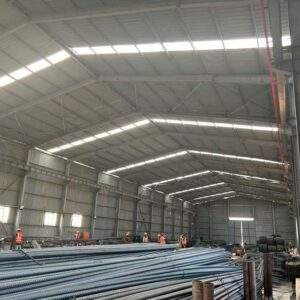 China Communications Construction Company Ninth Division Steel Rebar Processing Shed
 -
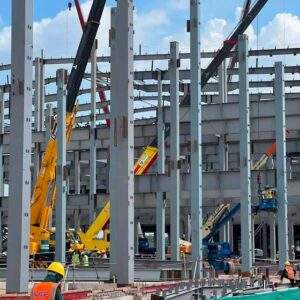 Guanyu New Energy Project
 -
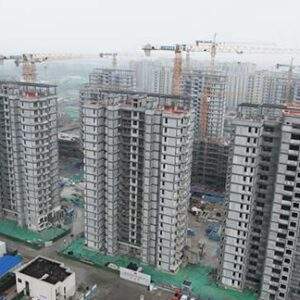 High-Rise Steel Structure Residential
 -
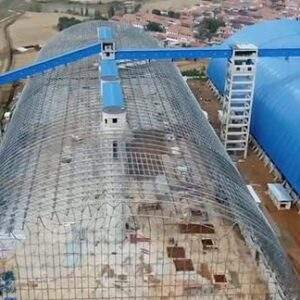 Wuhan Lron And Steel Hongxin Real Estate
 -
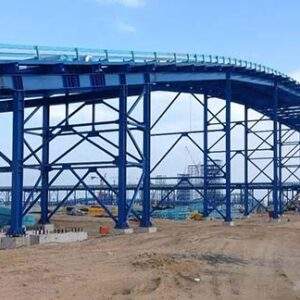 Jinzhou Port Coal Terminal
 -
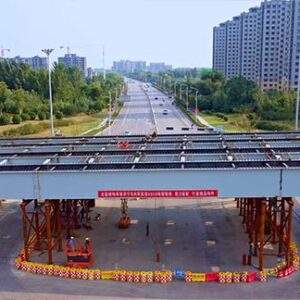 Jining Inner Ring Elevated Road
 -
 Jinan Wanda Cultural Tourism City
 -
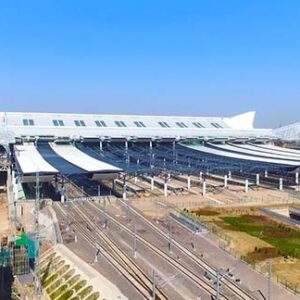 Qingdao Hongdao Station
 -
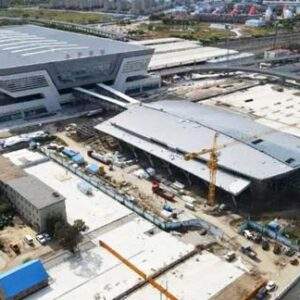 Daqing West Railway Station
When selecting the right cross bracing steel, it’s essential to understand the different types available. Each type offers distinct properties suited for specific applications.
Diagonal Cross Bracing
This is one of the most common forms of cross bracing. It involves steel members forming an “X” shape within a structural frame.
Uses:
- High-rise buildings.
- Industrial plants requiring seismic resistance.
K-Bracing
K-bracing arranges steel members in a “K” configuration, supporting the structure while leaving space for windows or other design elements.
Uses:
- Commercial buildings with aesthetic priorities.
- Areas requiring unobstructed internal layouts.
Chevron Bracing
Chevron bracing uses two diagonal steel members meeting at a central point of a beam, creating a “V” or inverted “V” shape.
Uses:
- Bridges requiring dynamic load resistance.
- Structures in seismic-prone areas.
V-Bracing
Similar to chevron bracing but with the steel members connected at the base of the frame, forming a “V” shape.
Uses:
- Smaller structures like towers.
- Temporary constructions needing lateral support.
X-Bracing
X-bracing is a subtype of diagonal bracing but features a continuous “X” pattern across multiple frames.
Uses:
- Skyscrapers for ultimate lateral load resistance.
- Stadiums and large arenas.
Key Properties of Cross Bracing Steel


Strength and Rigidity
Steel’s strength ensures that cross bracing can support immense loads, making it ideal for tall or heavy structures.
Ductility
Ductility allows cross bracing steel to deform under stress without breaking, which is essential in earthquake-resistant designs.
Corrosion Resistance
Many types of cross bracing use corrosion-resistant steel to ensure longevity, especially in harsh environments.
Table: Comparison of Cross Bracing Steel Types
| Type | Configuration | Best For | Advantages |
|---|---|---|---|
| Diagonal Bracing | X-Shape | High-rises, industrial plants | High seismic resistance |
| K-Bracing | K-Shape | Commercial buildings | Aesthetic-friendly, efficient use of space |
| Chevron Bracing | V or Inverted V | Bridges, seismic-prone structures | Better dynamic load handling |
| V-Bracing | V-Shape | Towers, temporary structures | Simple and cost-effective |
| X-Bracing | Continuous X | Skyscrapers, stadiums | Maximum lateral load resistance |
Uses of Cross Bracing Steel in Modern Construction
High-Rise Buildings
Cross bracing steel enhances the ability of tall buildings to withstand wind forces, ensuring safety and stability for occupants.
Bridges
The dynamic loads experienced by bridges, including vehicles and pedestrians, require robust support systems like chevron bracing.
Industrial Facilities
In factories and warehouses, cross bracing steel supports large spans and prevents structural collapse under heavy loads.
Seismic Zones
Structures in earthquake-prone areas rely on steel bracing for energy dissipation and reduced structural damage.
Temporary Constructions
Events and temporary setups often use V-bracing for cost-effective and quick assembly solutions.
How to Choose the Right Cross Bracing Steel
Selecting the right type of cross bracing steel depends on several factors:
- Load Requirements: Consider the lateral and dynamic loads the structure will face.
- Environmental Conditions: Use corrosion-resistant steel in marine or humid environments.
- Design Needs: Opt for K-bracing in buildings requiring aesthetic flexibility.
- Budget: Balance cost with the level of support required.
Conclusion
Cross bracing steel is indispensable in modern construction, providing unmatched stability and safety for various structures. By understanding the different types, such as diagonal bracing, K-bracing, and chevron bracing, architects and engineers can select the best option for their specific needs. Whether you’re building a skyscraper or a temporary event structure, cross bracing steel ensures reliability and durability, making it a cornerstone of structural design.
FAQ
What is cross bracing steel used for?
Cross bracing steel is used to improve a structure’s lateral stability, ensuring it can withstand forces such as wind and earthquakes.
Which type of cross bracing steel is best for seismic zones?
Chevron and diagonal bracing are particularly effective in seismic zones due to their ability to dissipate energy.
Is cross bracing steel suitable for temporary constructions?
Yes, V-bracing is commonly used in temporary constructions for its simplicity and cost-effectiveness.
How do I maintain cross bracing steel in corrosive environments?
Use corrosion-resistant steel and apply protective coatings to enhance longevity.
Can cross bracing steel be used in aesthetic designs?
Yes, K-bracing allows for creative architectural designs without compromising stability.