首页

How to Choose a Reliable Steel Structure Supplier for Industrial Projects

Choosing a steel structure supplier is not the same as buying a standard building material. For an industrial project, the supplier you choose will affect structural safety, construction efficiency, installation accuracy, future maintenance, and even the way your facility operates after completion.

A steel warehouse, manufacturing workshop, logistics center, agricultural building, equipment shelter, or heavy-duty industrial facility all depends on more than steel columns and beams. The real value comes from engineering judgment, fabrication precision, material control, corrosion protection, packing quality, and project communication.

Many buyers start by asking for a quick quotation. That is understandable, but it is not the best starting point. A low quotation can look attractive at the beginning and become expensive later if the structure is difficult to install, the steel members do not match the drawings, the coating is unsuitable for the local environment, or the supplier cannot support technical questions during construction.

A reliable 钢结构 supplier should help you reduce project uncertainty. The right supplier does not simply sell steel components. It helps you turn a building requirement into a practical, safe, and buildable steel structure solution.

Start with the Project, Not the Product

建筑钢结构

Before comparing suppliers, you need to understand your own project clearly. A steel structure for a warehouse is different from one for a production workshop. A logistics building is different from an agricultural shed. A facility with cranes, mezzanine floors, large doors, or future expansion plans will require more careful design than a simple storage building.

A good 钢结构 supplier will ask about the building function before giving a solution. This is a positive sign. If a supplier only asks for length, width, and height, the quotation may not reflect the real project conditions.

The following information is especially important:

Project Information为何重要
Building useDetermines span, layout, live load, ventilation, and wall system
Building sizeAffects steel frame design, column spacing, and material quantity
Local wind loadImportant for roof, wall, bracing, and connection design
雪载荷Critical for roof slope, purlin spacing, and main frame strength
Seismic requirementAffects structural stability and connection details
Crane requirementChanges column design, crane beam selection, and foundation load
Door and window layoutInfluences wall bracing, access design, and installation sequence
Roof and wall materialImpacts insulation, durability, and building appearance
表面处理Affects corrosion resistance and long-term maintenance
Expansion planHelps avoid expensive redesign in the future

If you want a more accurate solution, do not begin the conversation with only “How much per square meter?” Instead, explain what the building will be used for, where it will be installed, and what operating conditions it must handle.

Look for a Real Steel Structure Manufacturer, Not Just a Middleman

A reliable steel structure supplier should have real manufacturing capability. For industrial projects, this is one of the most important differences between a trading supplier and a steel structure manufacturer.

A manufacturer can usually control production quality, adjust fabrication details, communicate with engineers directly, and respond faster when drawings or site conditions change. A middleman may still be able to sell steel structures, but technical communication can become slower and less accurate, especially when the project requires custom design.

A strong steel structure manufacturer usually has:

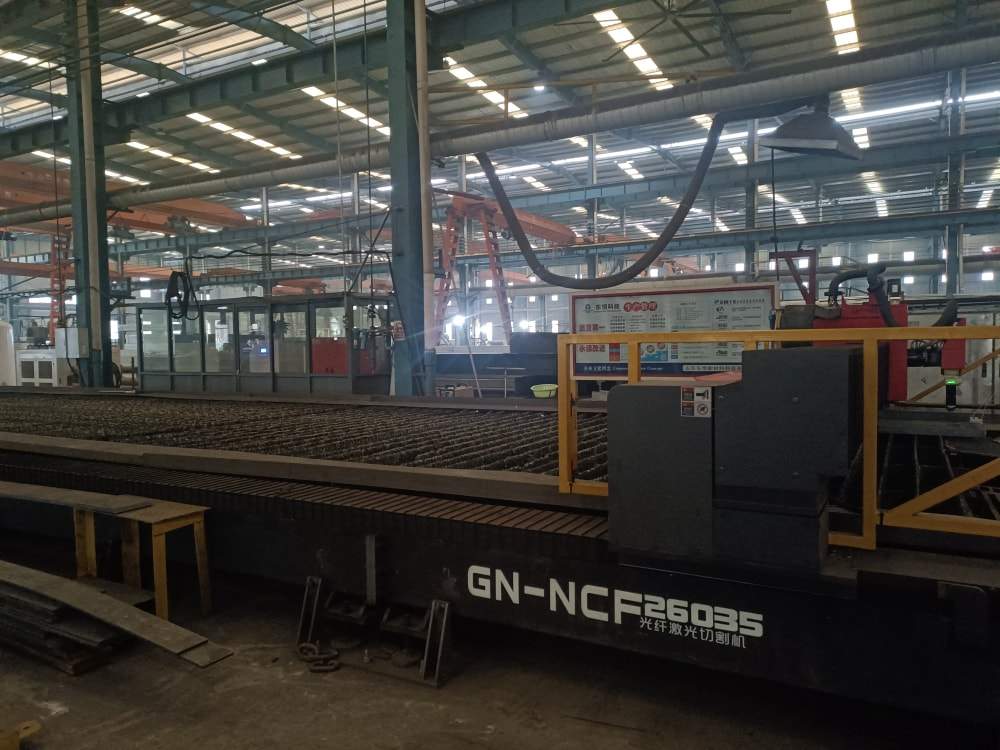
CNC cutting equipment

Automatic or semi-automatic welding equipment

Drilling and punching equipment

Shot blasting equipment

Painting or coating facilities

Material storage and traceability control

Quality inspection procedures

Experienced structural engineers or drawing technicians

Packing and container loading experience

Export project experience

For buyers, factory capability is not just about production scale. It is about whether the supplier can keep the steel structure consistent from drawing to fabrication to shipment.

When evaluating a steel structure supplier, ask for production photos, workshop videos, equipment lists, inspection procedures, and completed project references. A professional supplier should be comfortable showing how steel members are fabricated, inspected, packed, and delivered.

Check Whether the Supplier Understands Industrial Building Design

A steel structure supplier for industrial projects should understand how steel buildings actually work on site. It is not enough to make beams and columns. The supplier should understand loads, connections, bracing, roof systems, wall systems, installation sequence, and long-term use.

For example, a steel warehouse may need a large clear span to maximize storage space. A workshop may need crane beams and stronger columns. A logistics facility may need higher eaves, larger doors, and better truck access. A production plant may need future expansion space and stable roof support for ventilation equipment or utility lines.

Good engineering support can help you avoid these common problems:

The internal layout does not match actual operation.

The roof system is not suitable for local snow or wind conditions.

The steel frame is difficult to install because of unclear connection details.

The supplier reduces steel weight without explaining structural impact.

The building cannot be expanded easily later.

The crane system is considered too late in the design process.

A reliable industrial steel structure supplier should be able to provide clear drawings, explain the design logic, and help optimize the structure without weakening safety.

Do Not Judge the Supplier Only by Steel Weight

Many buyers compare steel structure quotations based on total steel weight. This can be useful, but it can also be misleading.

A lower steel weight does not always mean better value. It may mean the design is optimized. It may also mean the supplier has reduced material thickness, simplified bracing, weakened connections, or ignored certain project loads. On the other hand, a heavier structure is not automatically better if the design is inefficient.

The better approach is to compare the logic behind the design.

Ask these questions:

Why is this steel weight suitable for my project?

What loads were considered in the design?

What steel grade is used for the main frame?

How are roof purlins and wall girts selected?

How are bracing systems arranged?

Are crane loads included?

Are local wind, snow, and seismic conditions considered?

Are material certificates available?

Is the coating suitable for the installation environment?

专业人员 钢结构 supplier should be able to answer these questions clearly. If a supplier cannot explain the structure beyond the quotation sheet, the project may face risk later.

Material Quality Should Be Traceable

Steel structure quality starts with material quality. Main steel frames, secondary members, connection plates, bolts, roof systems, and wall systems all need to match the project requirements.

For industrial buildings, buyers should confirm more than the general phrase “high-quality steel.” That phrase is too vague. You need to know the actual steel grade, thickness, surface condition, and whether material documents can be provided.

Important material details include:

Steel grade

屈服强度

Thickness tolerance

Material certificate

Bolt type and strength

Connection plate thickness

Roof and wall panel specification

Galvanized or painted surface

Primer and topcoat system

Anti-corrosion requirement

If the building will be used near coastal areas, chemical environments, agricultural operations, high humidity regions, or heavy industrial zones, corrosion protection becomes especially important. In these cases, the supplier should recommend surface treatment based on the environment instead of using the same coating plan for every project.

Welding Quality Is a Hidden Factor Buyers Often Miss

工业钢结构

Welding quality is one of the most important parts of structural steel fabrication, but it is also one of the easiest details for buyers to overlook. A steel beam may look strong from a distance, but poor welding can create serious long-term risks.

Industrial steel buildings often carry heavy loads, resist wind pressure, support roof systems, and sometimes work with cranes or equipment platforms. In these applications, welding quality affects structural stability, installation accuracy, and service life.

A reliable steel structure supplier should control welding through:

Qualified welding workers

Suitable welding procedures

Weld appearance inspection

Dimensional inspection after welding

Control of welding deformation

Clear treatment of weld defects

Inspection records when required

Proper cleaning before coating

Buyers do not need to become welding experts. However, they should ask suppliers how welding quality is controlled. If the supplier gives only a general answer such as “our quality is good,” that is not enough for an industrial project.

A stronger answer would explain inspection steps, welding procedure control, worker experience, and how defects are handled before shipment.

Fabrication Accuracy Can Save Time During Installation

A steel structure building is assembled from many fabricated components. If the hole positions, member lengths, connection plates, or column base details are inaccurate, the installation team will face serious problems on site.

Poor fabrication accuracy can lead to:

Difficult bolt connection

Repeated site modification

Longer installation time

Extra labor cost

Delayed project schedule

Weakened connection quality

Poor roof and wall alignment

This is why a reliable steel structure supplier should have a strict dimensional inspection process. Steel members should be checked before coating and again before packing when necessary. Every component should be clearly numbered and matched with installation drawings.

For overseas or long-distance projects, this is even more important. Once the steel structure arrives at the job site, fixing fabrication mistakes becomes much harder than correcting them in the factory.

Surface Treatment Should Match the Building Environment

Steel is strong, but it needs proper protection when used in demanding environments. Surface treatment is not just about appearance. It directly affects corrosion resistance and maintenance needs.

Common surface treatment options include painted 钢结构, galvanized steel structure, primer coating, anti-rust coating, and special coating systems for more demanding environments.

The right option depends on the project:

Project EnvironmentSurface Treatment Focus
General inland industrial areaStandard anti-rust primer and topcoat may be suitable
Coastal or high-humidity regionStronger corrosion protection is recommended
Agricultural buildingMoisture and chemical exposure should be considered
Chemical or processing facilityCoating compatibility is especially important
Outdoor equipment shelterWeather resistance and drainage details matter
Long-term industrial warehouseMaintenance interval should be considered early

A professional steel structure supplier should not recommend the same surface treatment for every project. The coating plan should match the local environment, building use, and expected service conditions.

Also, surface preparation matters. Even a good coating system can perform poorly if the steel surface is not cleaned, blasted, or prepared correctly before painting or galvanizing.

Packing and Shipping Are Part of the Product Quality

For many industrial steel structure projects, the supplier and buyer are not in the same country. This makes packing and shipping extremely important.

A steel structure may be well fabricated, but if it is poorly packed, parts can be damaged, scratched, mixed, or difficult to identify after arrival. This creates delays at the construction site.

A reliable steel structure supplier should provide:

Clear component numbering

Packing list

Container loading plan

Protection for painted or galvanized surfaces

Bundled small accessories

Labeled bolts and fasteners

Drawing package

Installation sequence guidance

Reasonable loading method to reduce damage

For export projects, buyers should pay close attention to how the supplier packs long steel beams, columns, purlins, panels, bolts, and accessories. A good packing system can make installation much easier.

Installation Support Shows Whether the Supplier Thinks Beyond Production

Some suppliers focus only on fabrication. Better suppliers think about the whole project.

For industrial steel buildings, installation support can include installation drawings, bolt layout, component numbering, erection sequence, online technical support, and guidance for difficult connection points.

This is especially valuable when the buyer uses a local installation team. The local team may understand construction, but they still need clear drawings and technical guidance for the specific steel structure system.

Before placing an order, ask the supplier:

Will you provide installation drawings?

Are all components numbered?

Can you provide bolt layout and connection details?

Can your engineer support the installation team remotely?

Can you explain the installation sequence?

Do you provide spare bolts or fasteners?

How do you handle missing or damaged accessories?

These questions help reveal whether the supplier has real project delivery experience.

Similar Project Experience Is More Useful Than General Claims

Many 钢结构 suppliers say they have rich experience. That may be true, but buyers should ask for relevant experience.

If you need a steel warehouse, ask for steel warehouse projects. If you need a factory workshop with cranes, ask for workshop projects with crane beams. If you need a large-span building, ask for large-span steel structure cases. If you need an agricultural building, ask whether the supplier understands moisture, ventilation, and corrosion concerns.

Useful project references should include:

Building type

Building size

Project location

Steel structure system

Roof and wall material

Special requirements

Delivery method

Installation support

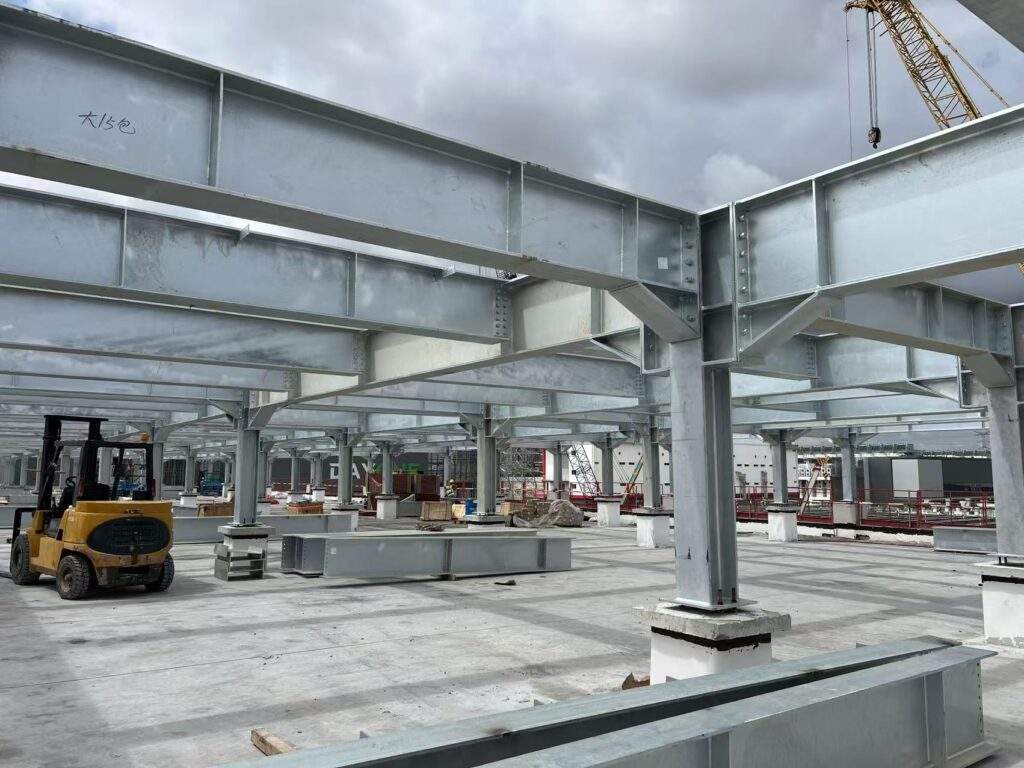
Project photos

A supplier with similar project experience can usually understand your requirements faster and reduce communication risk.

A Reliable Supplier Will Help You Avoid Overdesign and Underdesign

钢结构梁

Both overdesign and underdesign are problems.

Underdesign creates safety and durability risks. Overdesign can make the structure unnecessarily heavy and harder to install. A good steel structure supplier should help find the right balance between safety, function, and material efficiency.

This is especially important in customized steel structure projects. Industrial buildings often have different operational needs, such as internal columns, crane systems, mezzanine floors, large equipment doors, ventilation systems, skylights, or insulation panels.

The best supplier is not the one that uses the least steel or the most steel. It is the one that can explain why the design fits your project.

Compare Suppliers Using a Practical Scorecard

Instead of comparing only quotations, buyers can use a scorecard to evaluate suppliers more objectively.

Evaluation AreaWhat to CheckStrong Supplier Signal
Manufacturing capabilityFactory, equipment, production controlOwn workshop and clear fabrication process
Engineering supportDrawings, load consideration, customizationAble to explain design logic
材料质量Steel grade, certificates, thicknessTraceable material documents
Welding controlWelding process, inspection, worker skillClear quality control procedure
制造精度Hole position, member size, connection fitDimensional inspection before shipment
表面处理Paint, galvanizing, corrosion protectionEnvironment-based recommendation
Packing qualityLabels, packing list, container loadingOrganized shipment system
Installation supportDrawings, guidance, communicationTechnical support after delivery
Project experienceSimilar buildings and applicationsRelevant case references
CommunicationTechnical clarity and response speedClear, practical, and consistent answers

This method makes the selection process more professional. It also helps you avoid choosing a supplier based only on the lowest quote.

Red Flags to Watch Before You Place an Order

A supplier may look acceptable at first, but certain warning signs should not be ignored.

Be careful if a supplier:

Cannot explain the structure design

Avoids questions about steel grade or material certificates

Only discusses low price

Has no real factory photos or production videos

Cannot provide clear drawings

Gives very vague delivery details

Does not explain packing method

Has no similar project cases

Cannot discuss wind, snow, seismic, or crane requirements

Uses the same solution for every project

Does not provide installation guidance

These red flags do not always mean the supplier is unreliable, but they do mean you should ask more questions before making a decision.

What to Send When Requesting a Quotation

A clear inquiry helps the supplier provide a better solution. It also helps you judge whether the supplier understands your project.

Here is a practical inquiry format:

Project type: steel warehouse, workshop, factory, shed, logistics building, or agricultural building

Building size: length, width, eave height, and ridge height

Installation location: country, region, or city

Building use: storage, production, equipment shelter, livestock, processing, or logistics

Local conditions: wind load, snow load, seismic requirement if available

Crane requirement: capacity, span, lifting height, and working level if needed

Roof and wall: steel sheet, sandwich panel, insulation, skylight, ventilation

Doors and windows: size, quantity, and position

Surface treatment: painted, galvanized, or special anti-corrosion requirement

Installation plan: local team or supplier technical guidance

Future expansion: yes or no

When you provide this information, a professional steel structure supplier can offer a more accurate design and quotation. It also reduces the chance of misunderstanding during production.

Why Direct Manufacturer Cooperation Can Improve Project Control

直接与 钢结构 manufacturer can bring practical advantages, especially for customized industrial buildings.

A manufacturer can respond to drawing changes more directly. It can control fabrication schedules, check material usage, inspect components, and adjust packing methods based on project requirements. Technical communication is usually faster because the engineering and production teams are closer to the project.

For buyers, direct manufacturer cooperation can help with:

Better customization

Faster technical feedback

Clearer production control

More stable quality tracking

Better drawing communication

Improved packing and loading control

More direct after-sales support

This does not mean every manufacturer is automatically reliable. It means that when a manufacturer has strong engineering, production, and quality control systems, the buyer can manage the project with fewer communication layers.

How a Manufacturer Should Support Long-Term Industrial Use

A reliable steel structure supplier should think beyond delivery. The building needs to work for years under real operating conditions.

This means the supplier should consider:

Drainage design

Roof slope

Ventilation needs

Equipment layout

Maintenance access

Expansion possibilities

防腐蚀

Door opening frequency

Internal traffic flow

Crane or machinery vibration

For industrial buyers, these details matter. A steel building is not only a structure; it is part of the production or storage system. If the building layout is inconvenient, the structure may still stand safely, but daily operation will be less efficient.

That is why buyers should choose a supplier that understands industrial use, not only steel fabrication.

Common Types of Industrial Steel Structure Projects

钢屋架

A 钢结构 supplier may support many types of industrial buildings. The most common include:

Steel warehouses for storage and logistics

Steel workshops for manufacturing and assembly

Prefabricated steel buildings for fast construction

Steel frame buildings for industrial facilities

Agricultural steel buildings for storage and operations

Equipment shelters for machinery protection

Large-span buildings for open interior space

Crane-supported steel workshops

Cold storage or insulated steel buildings

Multi-purpose industrial sheds

Each project type has different requirements. The supplier should not treat all steel buildings as the same product.

结论

Choosing a reliable 钢结构 supplier is a project decision, not just a purchasing decision. The supplier should be able to support engineering design, material selection, structural steel fabrication, welding quality, surface treatment, packing, delivery, and installation guidance.

For industrial projects such as steel warehouses, factory workshops, logistics buildings, equipment shelters, and prefabricated steel buildings, buyers should look beyond the lowest quotation. The better choice is a supplier that can explain the design, control production quality, provide traceable materials, protect the steel structure against corrosion, and help the installation team complete the project smoothly.

If you are planning an industrial steel structure project, working with a direct steel structure manufacturer can help you obtain a safer, more practical, and more reliable building solution from design to delivery.

常见问题

What should I ask a steel structure supplier first?

Start by asking whether the supplier can design and manufacture according to your building size, local load requirements, surface treatment needs, and installation plan. A reliable supplier should ask about your project use before giving a final solution.

Is a steel structure manufacturer better than a trading supplier?

For customized industrial projects, working directly with a steel structure manufacturer often improves technical communication, fabrication control, quality tracking, and after-sales support. The key is to confirm the manufacturer’s real production and engineering capability.

How do I know if a 钢结构 supplier is reliable?

Check factory capability, engineering support, material traceability, welding control, fabrication accuracy, surface treatment options, packing quality, installation guidance, and similar project experience.

Why is the cheapest steel structure quotation risky?

A very low quotation may ignore important factors such as steel grade, load requirements, coating quality, connection design, packing method, or installation support. Buyers should compare total project reliability, not only the initial quotation.

Can steel structure buildings be customized for industrial use?

Yes. Industrial steel structures can be customized for warehouses, workshops, logistics centers, agricultural buildings, crane systems, insulation panels, large doors, ventilation, mezzanine floors, and future expansion.

在 Facebook 上
Youtube
山东省济宁市兖州区新兖镇经济开发区

海外工厂地址:5, Jalan Kamunting 1, Seksyen BB6, Bandar Bukit Beruntung, 48300 Rawang, Selangor。